This article compares BOPP, PE, and CPP materials used in plastic packaging bags, explaining their properties, food safety performance, and application scenarios for OEM food packaging projects.
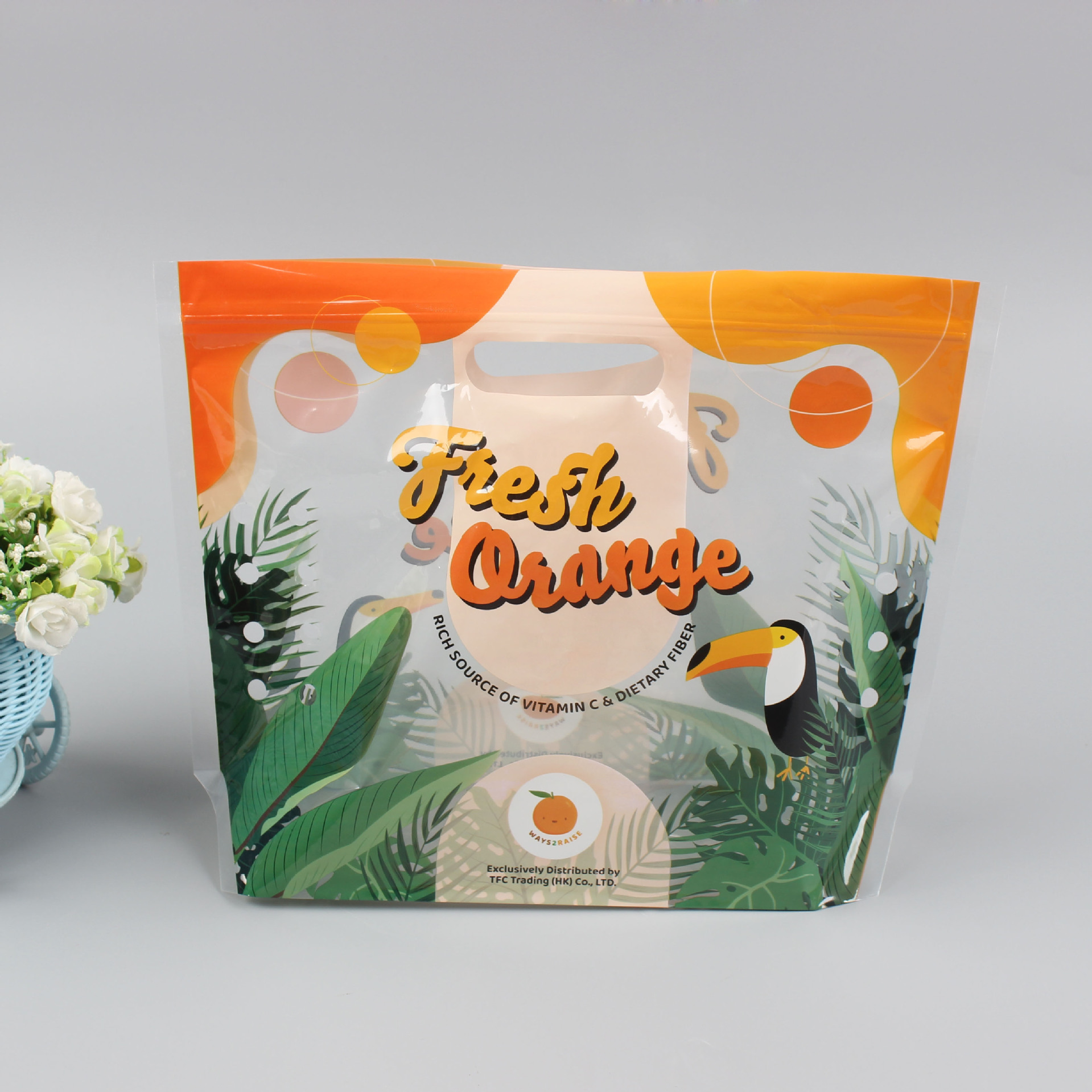
Choosing the Right Plastic Packaging Materials: BOPP vs PE vs CPP
Selecting the correct plastic material is a critical step in creating functional and reliable plastic packaging bags. BOPP, PE, and CPP are three of the most commonly used materials in flexible packaging, each offering unique advantages depending on application requirements.
Understanding BOPP Material Characteristics
BOPP (Biaxially Oriented Polypropylene) is widely used as an outer layer in laminated packaging. It provides excellent stiffness, transparency, and printability, making it ideal for retail-focused packaging. BOPP laminated bags are commonly applied in snack packaging, coffee packaging, and promotional food packaging where visual impact is important.
PE Material for Sealing and Food Safety
PE (Polyethylene) is valued for its flexibility, moisture resistance, and strong heat-sealing performance. As an inner layer, PE ensures food contact safety and helps maintain freshness. Food grade packaging bags often rely on PE to provide reliable sealing and durability during transportation and storage.
CPP Material for Heat Resistance and Efficiency
CPP (Cast Polypropylene) offers smooth sealing surfaces and higher heat resistance compared to PE. It is frequently used in laminated film bags designed for automated filling lines and higher temperature sealing processes.
By combining these materials through lamination, manufacturers can produce high barrier packaging suitable for OEM BPA free food packaging zipper bags with window that meet international food safety standards. This combination also allows brands to balance cost, performance, and appearance.
Choosing the right material structure depends on the product type, shelf life requirements, and target market. For OEM buyers, understanding these differences ensures efficient communication with packaging suppliers and results in consistent packaging quality. Many international brands rely on this knowledge when sourcing OEM BPA free food packaging zipper bags with window for global distribution.
READ MORE:



Final3D.png)
