This article explains laminated plastic packaging bag structures, lamination process selection, and quality control methods for high barrier food packaging applications.
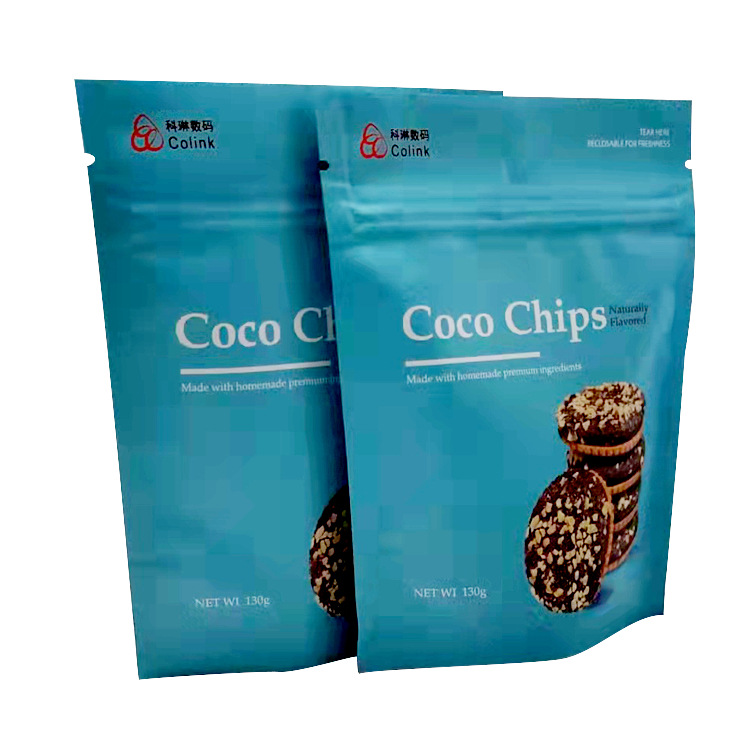
Laminated Plastic Packaging Bags: Structure Design and Process Selection
Laminated plastic packaging bags are designed to combine multiple functional layers into one high-performance structure. Proper structure design and process selection directly influence barrier properties, durability, and overall packaging efficiency.
Common Lamination Structures
Popular laminated structures include BOPP/PE and BOPP/CPP combinations. BOPP serves as the printed outer layer, while PE or CPP provides sealing strength and food contact safety. These laminated film bags are widely used for snacks, pet food, and dry food packaging.
Manufacturers typically choose between dry lamination and solvent-free lamination. Dry lamination offers strong bonding and is suitable for high barrier packaging, while solvent-free lamination is increasingly popular due to its environmental benefits and lower residual solvent risk.
Quality Control in Laminated Packaging
During lamination, controlling adhesive application, curing time, and tension is essential to prevent delamination and ensure consistent performance. Moisture barrier packaging and oxygen barrier bags require strict process control to meet shelf-life expectations.
For brands producing OEM BPA free food packaging zipper bags with window, laminated structures ensure both product protection and visual appeal. Window packaging bags benefit from precise lamination to maintain clarity without compromising barrier performance.
A well-designed laminated structure not only improves food safety but also enhances the efficiency of mass production. This is especially important for OEM food packaging suppliers serving international markets with strict quality requirements, including clients sourcing OEM BPA free food packaging zipper bags with window.
READ MORE:



Final3D.png)
