Plastic Packaging Bags Manufacturing Guide: From BOPP, PE, CPP Materials to Finished Products
Source:
|
Author:selina
|
Release time:2026-02-05
|
114 Second visit:
|
🔊 Click to read aloud
❚❚
▶
|
Share:
This article explains how plastic packaging bags are manufactured from BOPP, PE, and CPP materials to finished products, including lamination processes and surface finishing options such as glossy, matte, and spot UV, helping brands choose safe and effective food packaging solutions.
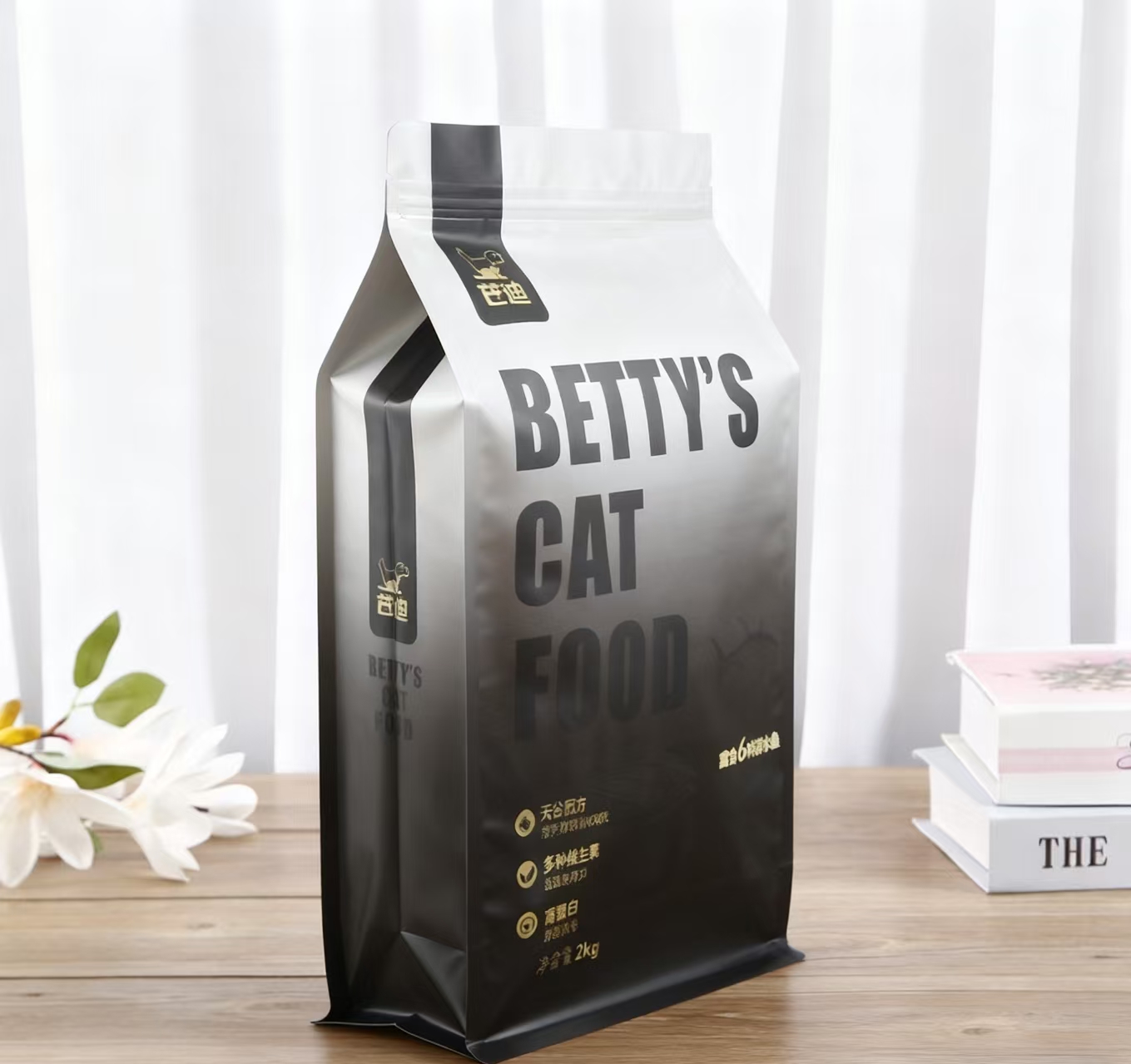
Plastic Packaging Bags Manufacturing Guide: From BOPP, PE, CPP Materials to Finished Products
Plastic packaging bags are widely used in food, retail, and industrial markets due to their flexibility, durability, and cost efficiency. Understanding the full manufacturing process—from raw material selection to surface finishing—helps brands choose the most suitable packaging solution for their products.
Material Selection for Plastic Packaging Bags
Choosing the right material is the foundation of high-quality packaging performance.
By combining BOPP, PE, and CPP through lamination, manufacturers can balance strength, barrier protection, and appearance—especially for OEM BPA free food packaging zipper bags with window used in global markets.
Manufacturing Process: From Film to Finished Bag
Plastic packaging bags are produced through a systematic process:
Printing
Gravure or flexographic printing is applied to BOPP or PET films to achieve accurate colors and sharp graphics.
Lamination
Multiple layers (such as BOPP/PE or BOPP/CPP) are laminated to enhance barrier properties and mechanical strength.
Bag Making
Laminated films are cut, folded, sealed, and fitted with zippers or windows to create functional packaging structures.
This process ensures consistent quality for products like OEM BPA free food packaging zipper bags with window, especially when customized sizes and designs are required.
Surface Finishing Options: Visual and Tactile Impact
Surface effects play a major role in brand differentiation:
These finishing options can be combined to elevate both functionality and marketing performance.
Application Scenarios and Market Advantages
From snacks and coffee to frozen food and dry goods, plastic packaging bags manufactured with the right materials and processes deliver:
READ MORE:



Final3D.png)
