From Plastic Resin to Finished Pouch: Choosing the Right BOPP, PE, and CPP Packaging Process
Plastic packaging bags play a critical role in modern food and consumer goods industries. From raw materials to finished products, selecting the correct plastic film structure and surface treatment determines not only appearance but also performance, safety, and shelf life. This article explains how BOPP, PE, and CPP films are chosen and processed to create high-quality zipper packaging solutions.
Understanding Core Plastic Materials
Choosing the right film material is the foundation of successful flexible packaging.
BOPP (Biaxially Oriented Polypropylene)
BOPP film is widely used for its excellent stiffness, clarity, and printability. It is ideal for outer layers where visual impact and branding are important. BOPP provides a naturally glossy look and serves as a strong base for advanced printing techniques.
PE (Polyethylene)
PE is commonly used as an inner sealing layer due to its flexibility and heat-sealing performance. It offers good moisture resistance and food-contact safety, making it suitable for food-grade applications such as OEM BPA free food packaging zipper bags with window.
CPP (Cast Polypropylene)
CPP film is valued for its high transparency, smooth surface, and strong sealing strength. It performs well in high-speed packaging lines and is often laminated with BOPP to balance rigidity and sealability.
Lamination and Structure Selection
Modern plastic packaging bags are rarely made from a single film. Laminated structures such as BOPP/PE or BOPP/CPP allow manufacturers to combine visual appeal with functional protection. Material selection depends on product weight, shelf life, filling method, and transportation requirements.
Surface Finishing Effects Explained
The final appearance of a packaging bag significantly affects consumer perception.
Glossy Finish
Glossy lamination enhances color vibrancy and shelf visibility. It is often chosen for retail packaging where bold branding is essential.
Matte Finish
Matte surfaces provide a soft, premium feel and reduce light reflection. They are increasingly popular in high-end food and lifestyle packaging.
Spot UV
Spot UV adds selective gloss to logos or key design elements on matte or glossy surfaces. This contrast improves brand recognition and perceived value.
Zipper and Window Integration
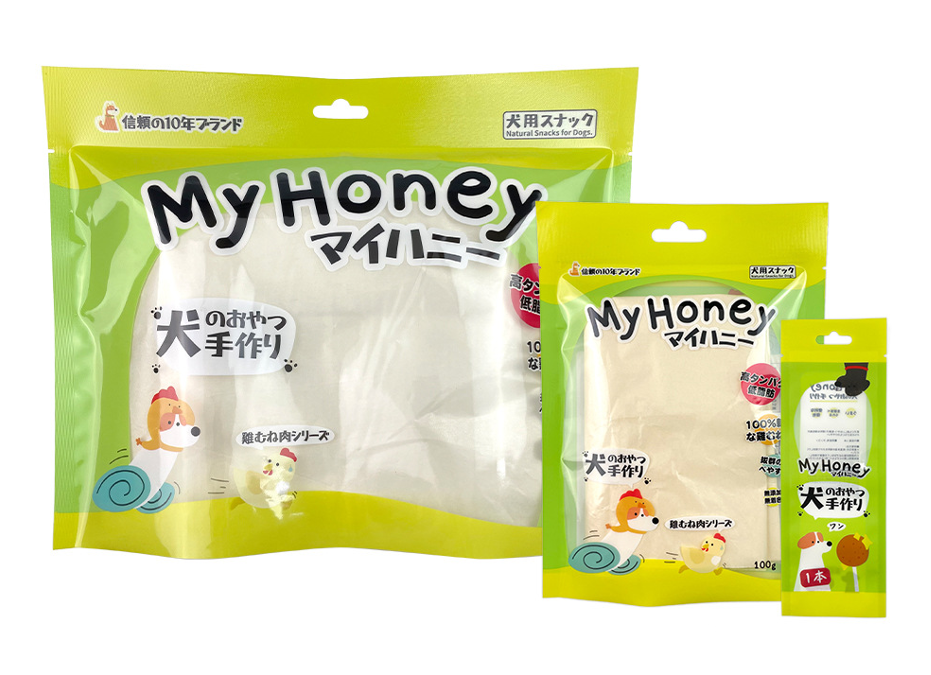
Zipper closures improve reusability and freshness, while transparent windows allow consumers to view the product inside. These features are especially important for OEM BPA free food packaging zipper bags with window, where safety, convenience, and visibility must be balanced.
Quality Control and Food Safety
During production, strict quality control ensures consistent thickness, strong seals, and reliable barrier properties. BPA-free materials and food-grade inks are essential to meet international packaging standards.
READ MORE:



Final3D.png)
