Packaging Structure Comparison: PE vs. BOPP vs. Aluminum
A concise comparison of PE, BOPP, and aluminum-plastic packaging materials and when to use each.
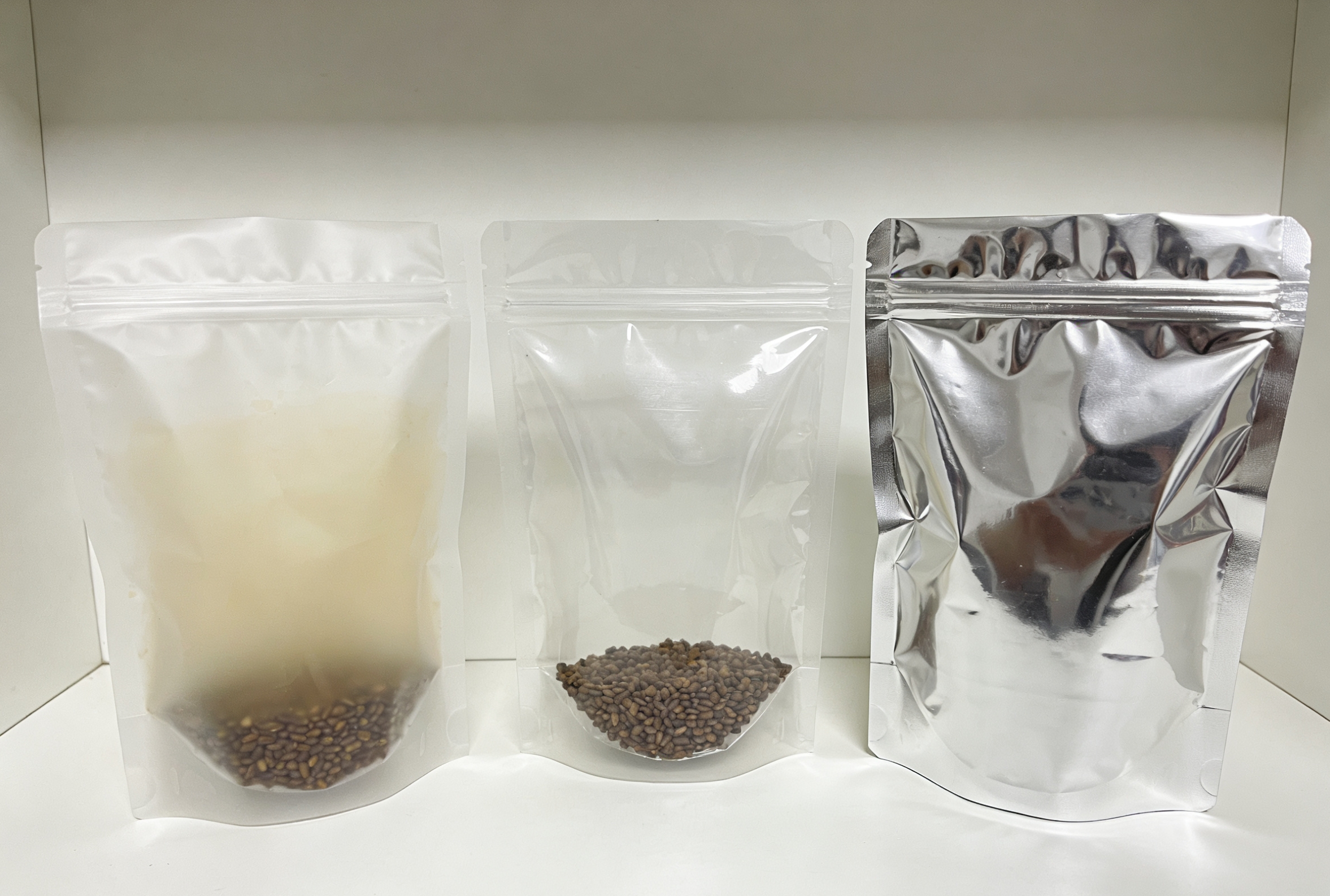
Understanding Packaging Materials: Comparing PE, BOPP, and Aluminum-Plastic Composite Films
When choosing the right packaging material for your product, the selection of film structure is crucial to ensuring protection, shelf appeal, and functionality. This article compares three widely used materials in the flexible packaging industry—PE, BOPP, and aluminum-plastic composite films—in terms of their characteristics and suitable applications.Snack Packaging in 2025: Merging Eco Values with Visual Innovation
PE is a soft, stretchable, and low-cost plastic film commonly used for inner layers in packaging. It is:
Food safe and approved for direct food contact.
Excellent in sealability, making it suitable for products that require airtight packaging.
Resistant to moisture but not very strong in oxygen barrier capabilities.
Use Cases:
BOPP offers excellent clarity and stiffness, making it ideal for showcasing products. Key features include:
High transparency, enhancing product visibility
Better printability, especially when using techniques like custom gravure printing
Resistant to oil and grease
Often laminated with PE for better seal strength
Use Cases:
Candy and biscuit packaging
Retail packaging that emphasizes visual appeal
Resealable SPOT UV pouches for luxury food or cosmetic items
Aluminum-plastic laminates combine a layer of aluminum foil with plastic films (e.g., PET, PE) for superior protection. Key strengths:
Excellent high barrier to oxygen, light, and moisture
Long shelf life for sensitive products
Used in vacuum packaging and retort pouches
Use Cases:
READ MORE:



Final3D.png)
