
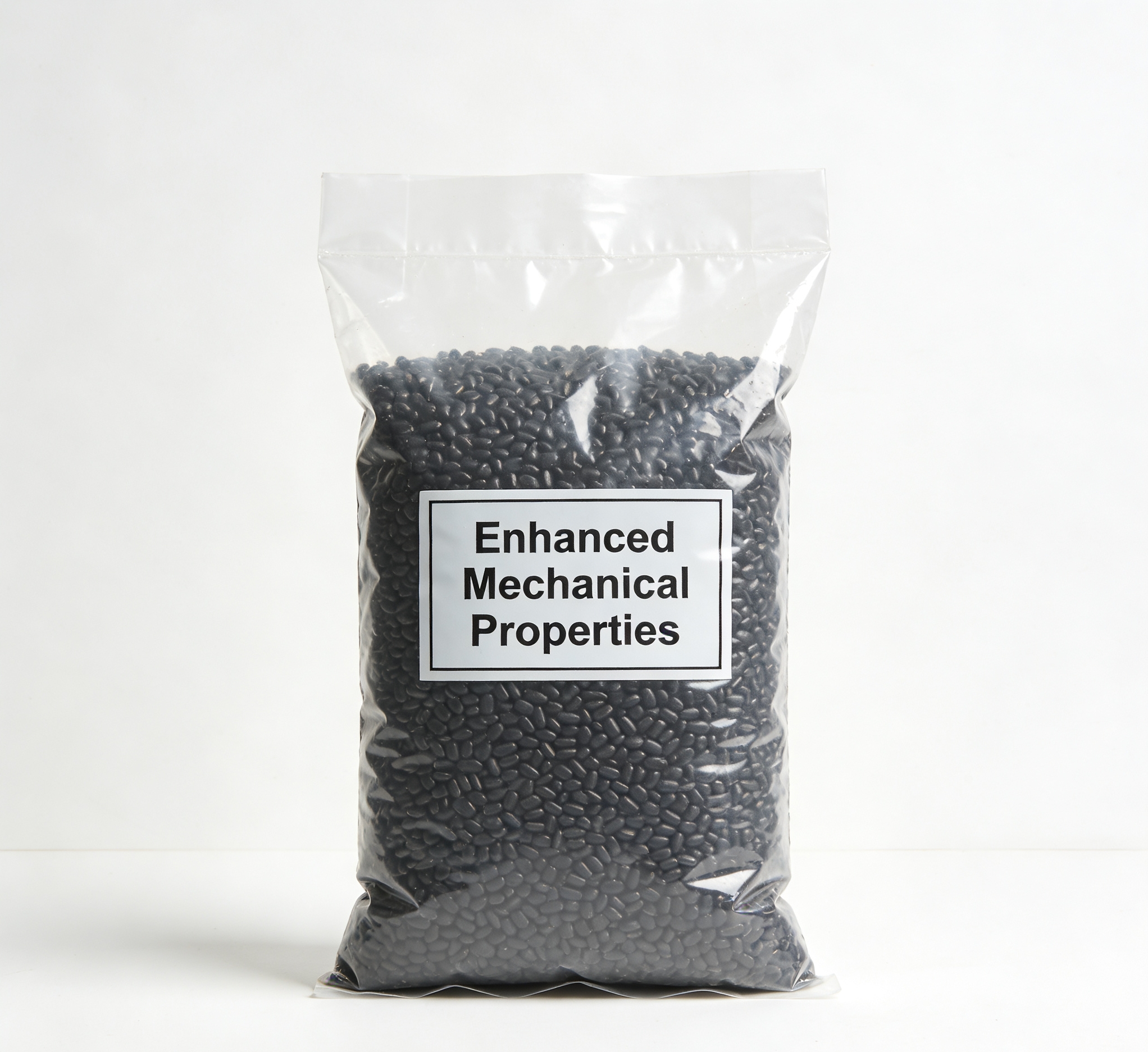
Maximizing Quality in PCR Plastic Film Rolls through Advanced Thickness Control
The use of PCR plastic packaging bags has become central to sustainable packaging strategies across industries. To meet growing quality standards while integrating more post-consumer materials, manufacturers must enhance their process control—especially around thickness uniformity and processing parameters adjustment.
Technologies such as automatic die adjustments and laser-based thickness measurement tools now allow real-time correction during blown film extrusion. These tools are essential when dealing with variable melt characteristics of recycled content.
Manufacturing PCR plastic film rolls demands sophisticated processing parameters adjustment. Recycled materials vary in flow behavior and thermal sensitivity, so each batch may require fine-tuning. This includes adjusting:
Melt temperature based on recycled resin type
Cooling intensity to control bubble stability
Screw torque to prevent degradation
Raising the recycled content ratio in packaging films brings both sustainability benefits and technical challenges. Variability in feedstock purity and physical properties can impact film output. To overcome this:
Pre-screen and sort recycled resin to remove contaminants
Use compatibilizers to improve bonding between virgin and recycled polymers
Adjust line speed and air flow to stabilize the bubble
All these strategies must work in harmony with constant processing parameters adjustment to retain quality in PCR plastic packaging bags.
One successful application of optimized PCR film extrusion is in industrial bulk packaging. These large-format bags demand superior thickness uniformity for mechanical durability. By leveraging advanced sensors and predictive analytics, companies have achieved rolls with over 65% recycled content ratio without compromising strength or transparency.
