This article presents a strategic approach to cost-saving in plastic bag production, emphasizing efficient layout and plate-making. It covers digital simulation, teamwork, and metrics that track profitability improvements through design adjustments.
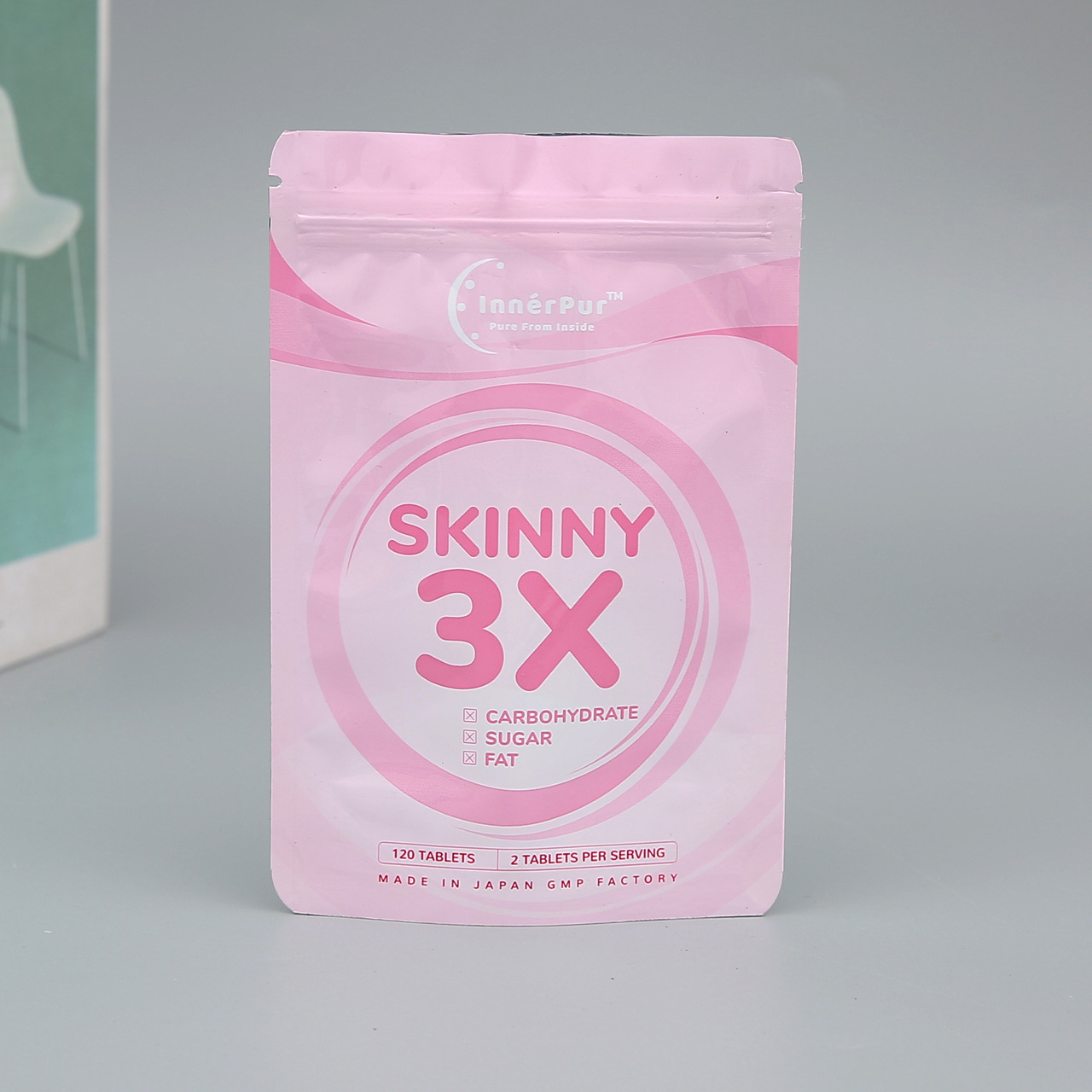
Boosting Profit Margins by Refining Plastic Bag Production Layouts
For packaging manufacturers, small adjustments in design and production can lead to significant savings. Refining how plastic bags are laid out and printed is a highly effective strategy for lowering overall costs and increasing profitability. These refinements require coordinated planning between design, engineering, and production.
1. Reimagining Layout Strategy
One of the first steps in cost control is implementing a Rational layout of plastic bags. By optimizing how each bag fits into the material, manufacturers minimize waste and reduce trimming needs. Smart layout planning ensures the maximum number of units per sheet or roll. Standardized layouts also help reduce setup errors and material mismatches during high-speed runs.
2. Lowering Overhead with Better Plate-Making
Complex printing setups often involve multiple plates, high ink usage, and frequent calibration. Plastic bag plate-making optimization focuses on reducing these factors by consolidating designs and using fewer spot colors. The result is shorter setup times and lower production costs. Furthermore, aligning graphic designs with machine specifications reduces costly trial runs.
3. Unlocking Efficiency in Layout Design
Modern tools enable simulation of different layout patterns. Businesses aiming for Packaging layout efficiency improvement benefit from these tools by testing various arrangements before finalizing production. This digital approach also identifies material-saving opportunities early. Layout libraries can be created and reused across product lines to further boost efficiency.
4. Measurable Cost Reductions
When manufacturers focus on Plastic packaging bag cost reduction, they track changes in material usage, setup time, and printing waste. Over time, even minor changes in layout and plate-making deliver measurable ROI, especially across large volumes. Benchmarking against past production data helps monitor progress and validate new layout strategies.
5. Synchronizing Design and Engineering Teams
For best results, design teams must work alongside production engineers. Aligning aesthetics with print capabilities ensures a Rational layout of plastic bags and supports effective Plastic bag plate-making optimization. Collaboration leads to efficiency across the entire production chain. Joint review sessions and pre-production testing help detect layout flaws before mass production begins.
READ MORE



Final3D.png)
