Explore how COEX multi-layer packaging films enhance barrier performance and environmental compatibility, optimizing packaging for food, pharma, and more.
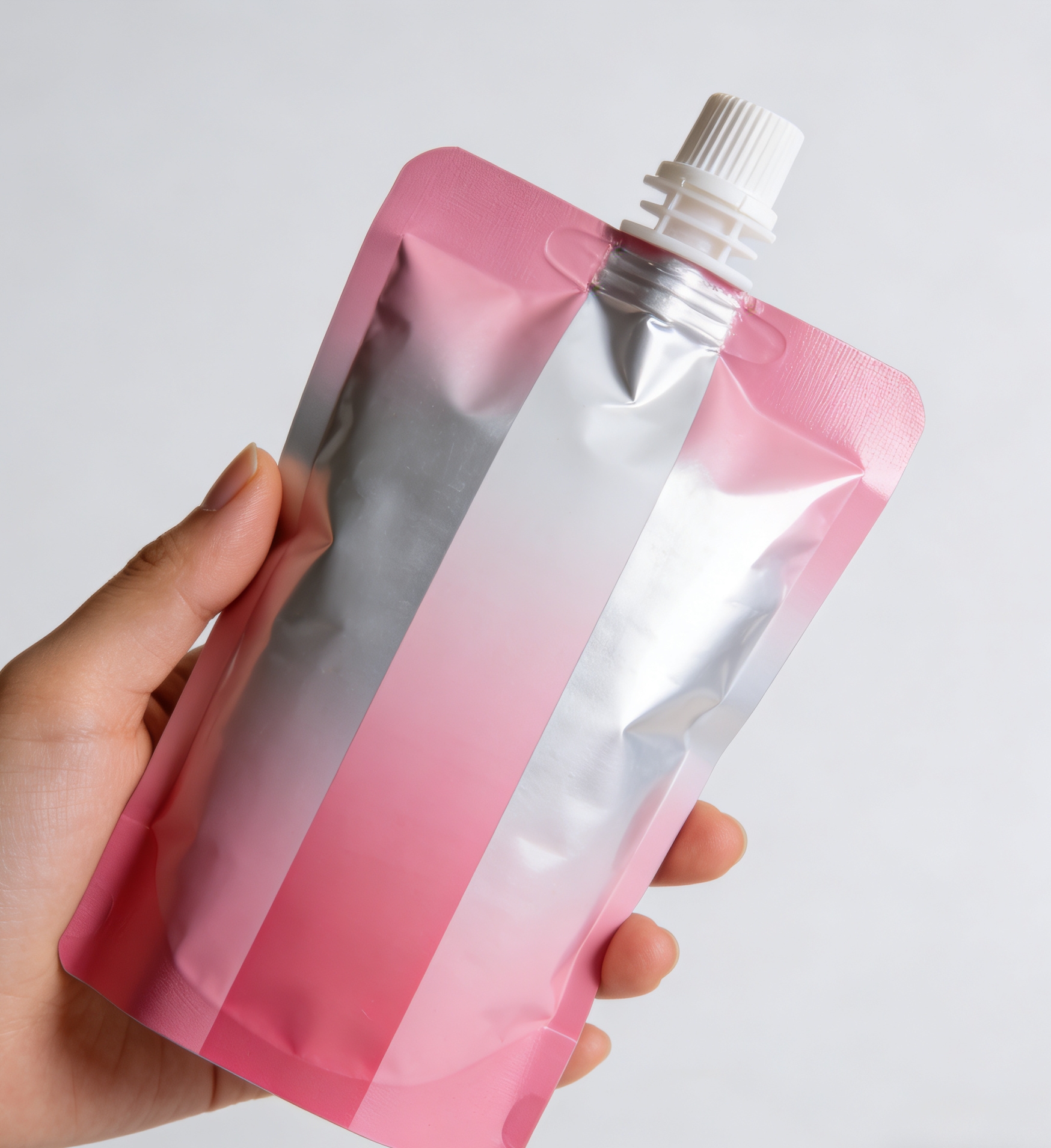
Enhancing Barrier Functionality in Multi-layer Co-extrusion Film Packaging
Content:
The evolution of Co-extrusion (COEX) film plastic packaging bags has brought forward new standards in packaging performance and sustainability. As industries seek efficient and environmentally conscious solutions, optimizing barrier performance enhancement and structure design becomes a top priority.
1. Incorporating Advanced Barrier Layers
Barrier films must balance flexibility and resistance to external factors. Integrating EVOH into the film structure significantly improves the oxygen barrier property, while maintaining clarity and recyclability. This feature is particularly beneficial in sectors like frozen food and snack packaging, where freshness is essential. It also allows companies to meet regulatory requirements regarding shelf-life and food safety.
2. Polymer Blending and Material Synergy
Choosing polymers with complementary characteristics is the foundation of packaging material compatibility. For instance, blending LDPE for flexibility with nylon for strength ensures both functionality and durability. A tie-layer between the barrier layer and other materials enhances structural integrity and long-term performance. Failure to establish compatibility can lead to product leakage or material delamination, especially under heat or pressure.
3. Film Structure and Application-Specific Designs
Customizing film structures based on application leads to better product outcomes. High-barrier flexible packaging designed for vacuum sealing may use a 7-layer film including puncture-resistant and sealing-specific layers. In contrast, MAP (Modified Atmosphere Packaging) benefits from tailored oxygen barrier property configurations. The use of simulation software in early design phases helps determine optimal layer thickness and material combinations.
4. Reducing Environmental Impact
One of the major focuses in packaging innovation is sustainability. Reducing the number of laminated layers and replacing them with co-extruded structures not only improves recyclability but also aligns with eco-friendly initiatives. Additionally, mono-material barrier films are gaining traction for their ease of disposal and compatibility with recycling streams.
5. Enhancing User Safety and Shelf Life
In pharmaceutical and food-grade applications, precise barrier performance enhancement ensures product safety by minimizing exposure to air and moisture. Designing for specific customer needs, including pouch types or shelf-life expectations, requires a deep understanding of packaging material compatibility and function.
By leveraging new material science and application-driven engineering, manufacturers can deliver high-barrier flexible packaging solutions that align with performance, environmental, and cost-efficiency goals.
READ MORE



Final3D.png)
