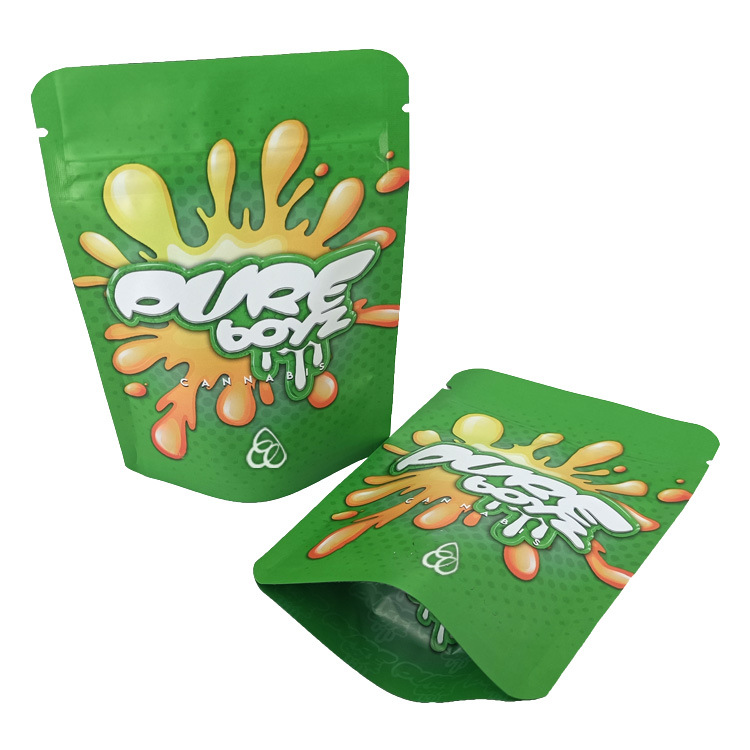
Plastic Packaging Bag Material & Structure Selection: PE, BOPP, and Aluminum Plastic Composite Films
Choosing the right plastic packaging material is critical for product protection, shelf life, branding, and cost control. Among the most commonly used materials, PE, BOPP, and aluminum plastic composite films each serve distinct packaging purposes. This article provides a practical comparison to help brands select the most suitable structure.
PE Film: Flexibility and Cost Efficiency
Polyethylene (PE) is widely used for inner layers of packaging due to its flexibility, sealability, and food safety compliance. It is especially suitable for food-grade packaging that requires softness and puncture resistance. PE performs well in moisture resistance but offers limited oxygen and light barrier properties. When combined with custom gravure printing, PE-based structures are commonly applied in snacks, frozen foods, and daily consumer packaging.
BOPP Film: Clarity and Visual Appeal
Biaxially Oriented Polypropylene (BOPP) is valued for its excellent transparency, stiffness, and surface smoothness, making it ideal for high-quality printing. BOPP is often used as an outer layer to enhance shelf appeal and branding impact. With SPOT UV pouches and matte or glossy finishes, BOPP structures are popular in retail packaging, confectionery, and promotional products.
Aluminum Plastic Composite Film: High Barrier Protection
Aluminum plastic composite films provide superior barrier performance against oxygen, moisture, light, and odors. They are essential for products with high protection requirements such as coffee, pharmaceuticals, pet food, and nutritional powders. These structures are frequently classified as highbarrier solutions and are fully compatible with food grade packaging standards.
Material selection should be based on product characteristics, shelf life requirements, transportation conditions, and branding strategy. PE structures are ideal for cost-sensitive and flexible packaging, BOPP structures enhance visual impact, while aluminum plastic composite films are best for long-term preservation and premium products. Combining materials through lamination allows brands to balance performance and cost while supporting custom gravure printing and advanced finishes.
Understanding the differences between PE, BOPP, and aluminum plastic composite films enables smarter packaging decisions. By selecting the right structure, brands can improve product protection, enhance shelf appeal, and optimize packaging efficiency in competitive markets.
SEO Tags: custom gravure printing, highbarrier, food grade, SPOT UV pouches, flexible packaging, laminated film bag, oxygen barrier bag, moisture barrier bag, PET packaging, aluminum foil pouch, stand-up pouch, zipper pouch, recyclable pouch, eco-friendly packaging, retail packaging, snack pouch, coffee packaging, pet food bag, pharmaceutical packaging, vacuum bag, resealable packaging, custom printed pouches, bulk packaging, luxury product bag, promotional packaging, flat pouch, gusseted bag, bottom gusset pouch, side gusset bag, shelf-ready pouch, clear window bag, liquid packaging bag, sterilizable pouch, food grade bags, SPOT UV pouches
READ MORE:



Final3D.png)
