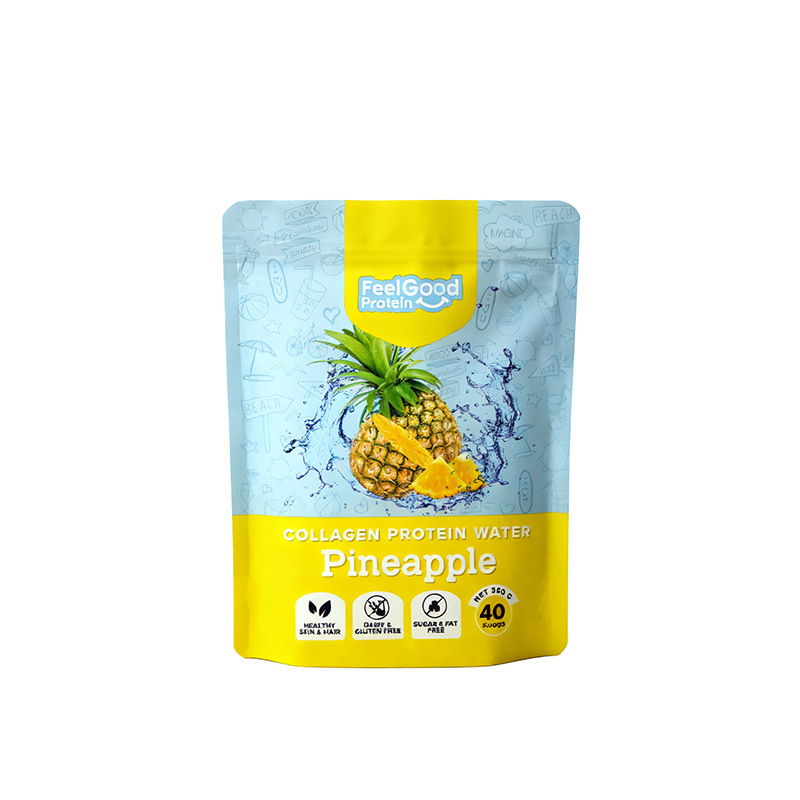
Plastic Packaging Bag Material Selection: Understanding PE, BOPP, and Aluminum Composite Films
Selecting the right plastic packaging bag material is a strategic decision that affects product safety, shelf life, branding performance, and overall cost efficiency. In flexible packaging, PE, BOPP, and aluminum plastic composite films are the most commonly used materials. Each material offers unique physical properties and structural advantages that suit different application scenarios.
Polyethylene (PE) is primarily used as the inner sealing layer of packaging bags. Its flexibility, softness, and excellent heat-sealing performance make it highly suitable for food grade applications. PE provides strong moisture resistance and good puncture durability, which is essential for frozen foods, snacks, sauces, and liquid packaging. Although PE alone does not provide strong oxygen resistance, it performs reliably when laminated with barrier materials. PE-based structures also support custom gravure printing, allowing brands to maintain consistent visual identity across large production volumes.
BOPP film is widely used as an outer layer due to its rigidity, transparency, and smooth surface. These characteristics make BOPP ideal for high-quality printing and retail display. Packaging designs using SPOT UV pouches on BOPP layers can significantly enhance shelf appeal by highlighting logos, product names, or key selling points. While BOPP itself is not a highbarrier material, it plays a critical role in laminated structures where visual performance is a priority.
Aluminum plastic composite films offer superior protection against oxygen, moisture, light, and odors. These films are considered true highbarrier packaging solutions and are essential for products such as coffee, pharmaceuticals, pet food, and nutritional supplements. Aluminum composite structures fully comply with food grade standards and are commonly used in export and long-term storage packaging. Despite their technical focus, they remain compatible with custom gravure printing and premium finishes, including SPOT UV pouches.
In conclusion, understanding the functional differences between PE, BOPP, and aluminum composite films allows brands to design packaging structures that balance protection, cost, and branding. By selecting the appropriate material combination, companies can improve product safety while strengthening their market presence.
READ MORE:



Final3D.png)
