A complete overview of plastic packaging bag production from film extrusion to printing and lamination, focusing on BOPP, PE, and CPP materials.
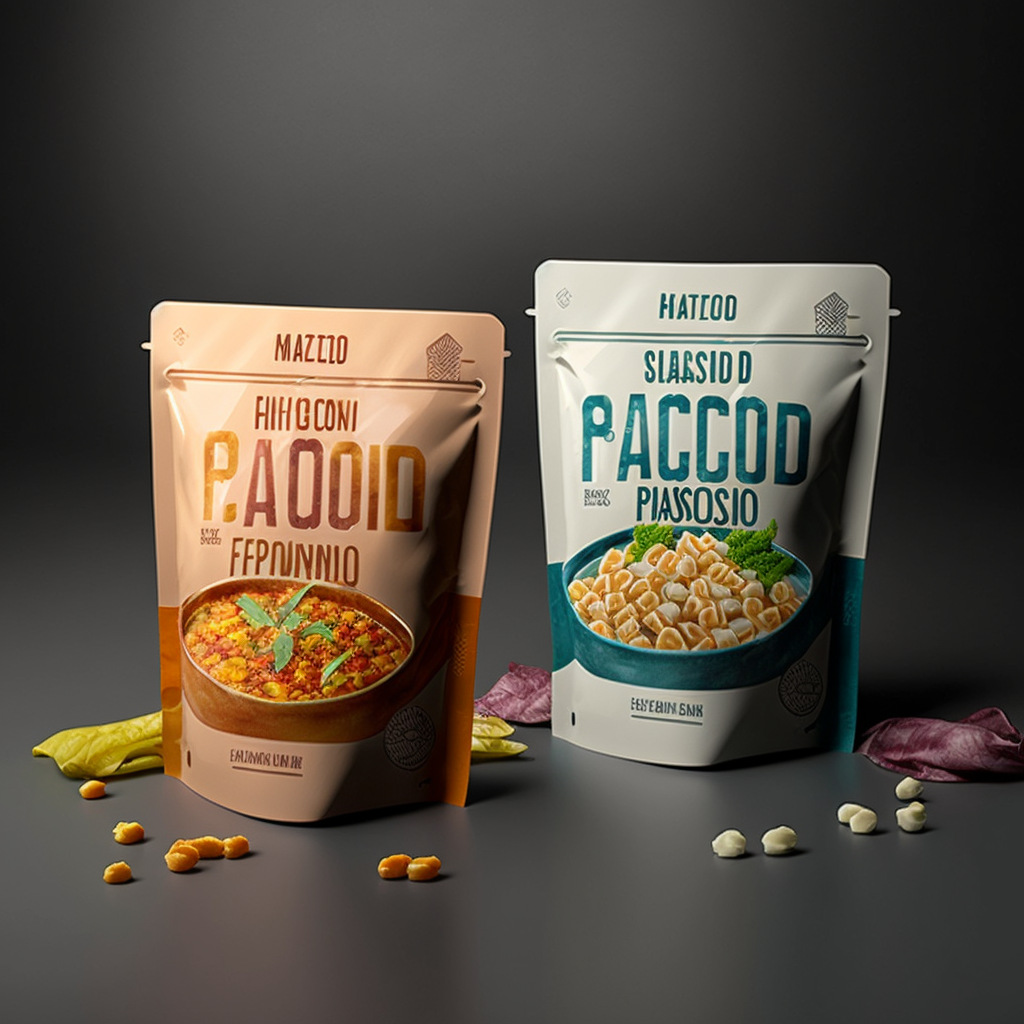
From Film Extrusion to Printing: A Complete Guide to Plastic Packaging Bags
The manufacturing journey of plastic packaging bags starts long before printing and bag making. It begins with film extrusion, where BOPP, PE, and CPP resins are melted and formed into thin films with specific properties.
BOPP films are stretched in two directions to improve strength, clarity, and stiffness. PE films are designed for flexibility and sealing, while CPP films are cast to achieve smooth surfaces and stable heat-seal performance. Each film is produced separately and later combined through lamination.
Printing is typically done using gravure technology, which ensures consistent color reproduction and sharp details. After printing, films are laminated to create multi-layer structures that balance appearance, protection, and cost. Curing ensures adhesive stability before the material moves to bag making.
Finished bags may include resealable zippers, tear notches, and transparent windows. Surface finishes such as glossy, matte, or spot UV are applied to enhance branding. These features are widely used in OEM BPA free food packaging zipper bags with window, helping consumers visually inspect products while maintaining freshness. OEM BPA free food packaging zipper bags with window are a preferred choice for snacks, coffee, and dry food products.



Final3D.png)
