An in-depth overview of how plastic packaging bags are made, focusing on BOPP, PE, and CPP materials, production processes, and surface finishes for modern food packaging.
From BOPP to Finished Bags: How Plastic Packaging Materials Shape Final Performance
Plastic packaging bags are not simple products; they are the result of precise material selection and manufacturing processes. From raw plastic resin to finished bags, each step directly affects durability, safety, and visual appeal. Among the most widely used materials are BOPP, PE, and CPP, which together form the foundation of modern flexible packaging.
BOPP (Biaxially Oriented Polypropylene) is commonly chosen as the outer layer. Its high transparency, stiffness, and excellent ink adhesion make it ideal for high-quality printing. BOPP enhances shelf presence and supports advanced surface treatments such as glossy and matte finishes. PE (Polyethylene), on the other hand, is known for its flexibility and strong sealing performance. It is usually applied as the inner layer to ensure food safety and airtight protection. CPP (Cast Polypropylene) offers smooth heat sealing and better heat resistance, which is especially important for automated filling lines.
Once materials are selected, the production process begins with film extrusion, followed by gravure printing. Printed films are then laminated to combine visual performance with mechanical strength. After curing, bags are cut, sealed, and fitted with features such as zippers or windows.
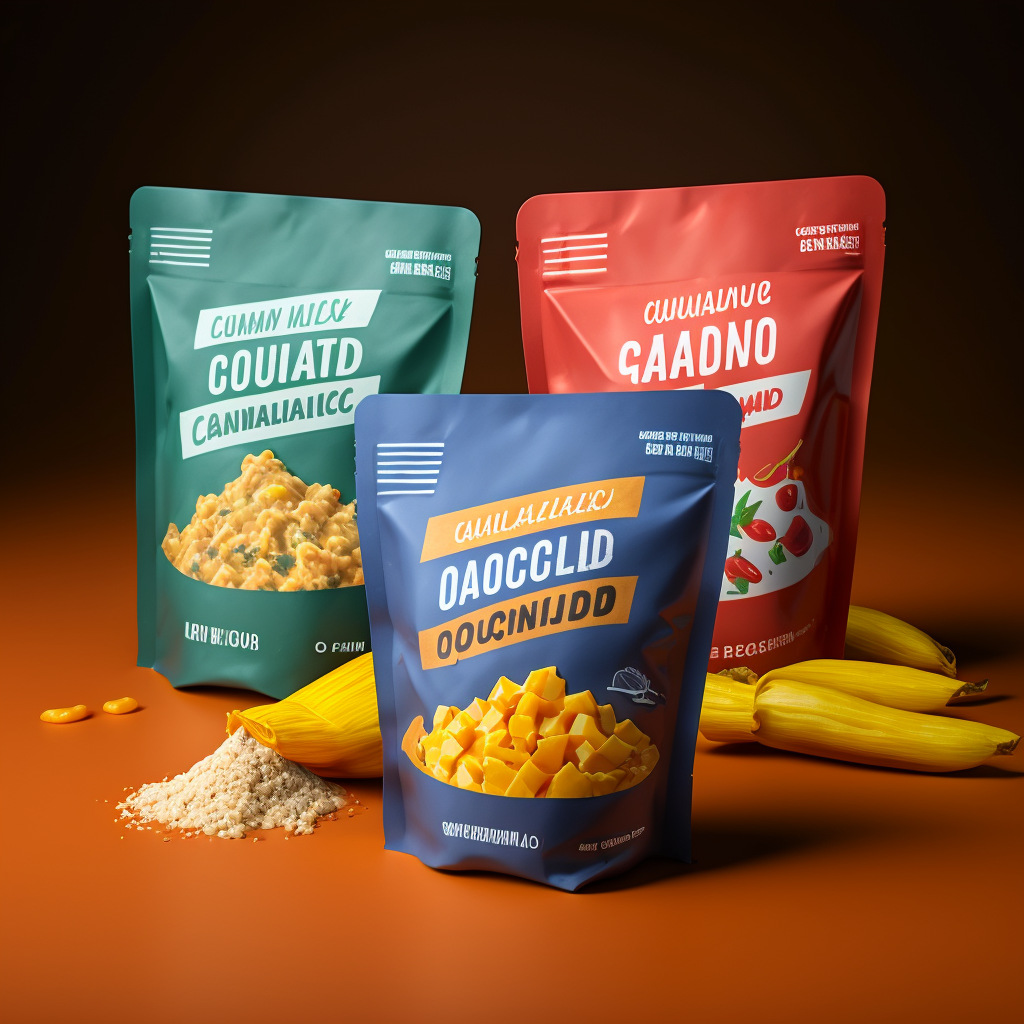
Surface effects play a key role in branding. Glossy finishes enhance color brightness, matte finishes provide a premium soft-touch feel, and spot UV adds visual contrast by highlighting logos or key elements. These processes are widely applied in OEM BPA free food packaging zipper bags with window, where product visibility and branding must coexist. OEM BPA free food packaging zipper bags with window allow brands to combine safety, transparency, and strong shelf appeal in competitive markets.



Final3D.png)
