Choosing the Right Process for BOPP, PE, and CPP Plastic Packaging Bags
Source:
|
Author:selina
|
Release time:2026-02-06
|
122 Second visit:
|
🔊 Click to read aloud
❚❚
▶
|
Share:
A practical guide to selecting manufacturing processes for BOPP, PE, and CPP plastic packaging bags, covering printing, lamination, and finishing options.
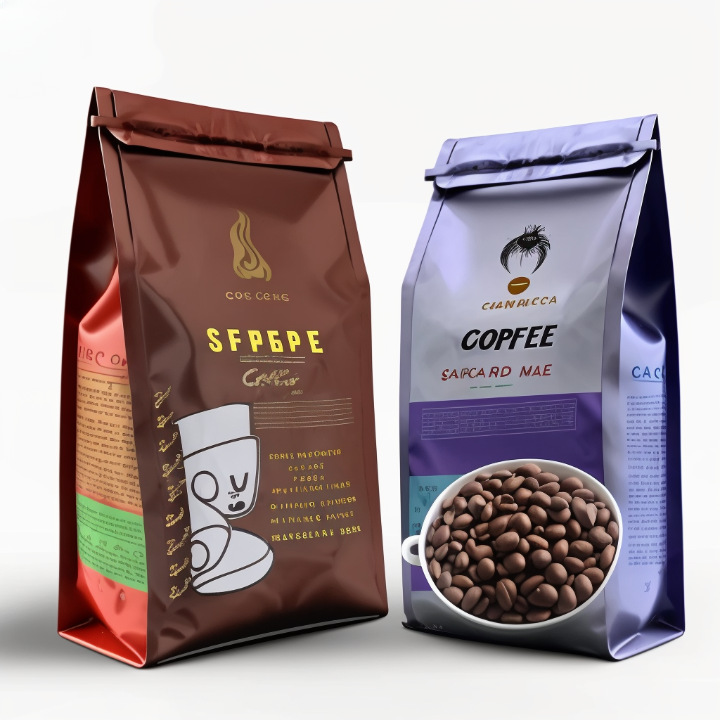
Choosing the Right Process for BOPP, PE, and CPP Plastic Packaging Bags
Selecting the correct manufacturing process is as important as choosing the right materials. BOPP, PE, and CPP each perform best when matched with suitable printing, lamination, and finishing techniques.
BOPP is often used as the printable outer layer due to its smooth surface and dimensional stability. It supports high-resolution graphics and special finishes without deformation. PE provides flexibility and sealing reliability, making it essential for inner layers that come into direct contact with food. CPP adds heat resistance and consistent sealing performance, particularly for packaging that requires higher filling temperatures.
The standard production process includes gravure printing, solvent-based or solvent-free lamination, and curing. Lamination bonds multiple films together, ensuring strength, barrier performance, and durability. After curing, the laminated rolls are converted into finished bags through cutting, sealing, and zipper application.
Visual differentiation is achieved through surface treatments. Glossy lamination creates eye-catching brightness, matte lamination delivers a refined and modern look, and spot UV enhances selected design areas. This combination is frequently used in OEM BPA free food packaging zipper bags with window, offering both functional protection and premium appearance. OEM BPA free food packaging zipper bags with window are especially suitable for brands targeting retail shelves and export markets.



Final3D.png)
