Understanding the Pros and Cons of PET as the Outermost Layer in Plastic Packaging
PET is a common outer layer in plastic packaging, offering high barrier and excellent print compatibility. This article explores its pros and cons in food-grade applications.
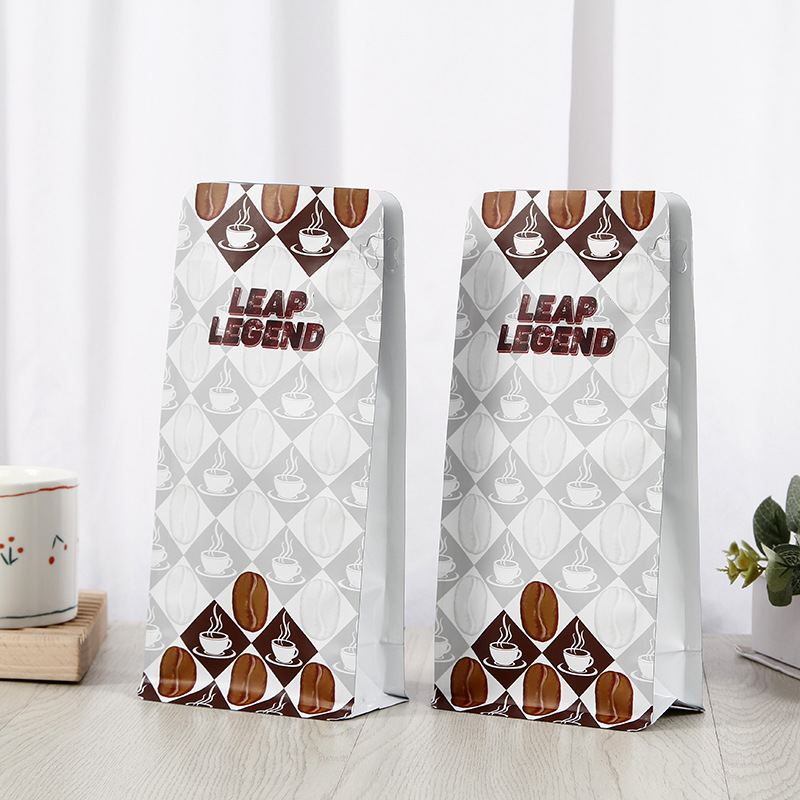
Understanding the Pros and Cons of PET as the Outermost Layer in Plastic Packaging
When it comes to plastic packaging, the outermost layer plays a crucial role in ensuring durability, aesthetic appeal, and product protection. One of the most widely used materials for the outermost layer is PET (Polyethylene Terephthalate). This material is common in both food packaging and consumer goods industries due to its excellent performance characteristics and visual adaptability. Below, we explore its strengths and limitations when used as the face of flexible packaging solutions.
1. Advantages of PET as Outer Layer
High Barrier Protection: PET offers excellent barrier properties against oxygen and moisture, which is essential for maintaining product freshness. This makes it a great choice for packaging sensitive items like snacks, dry foods, pet foods, and pharmaceuticals. The high barrier nature of PET is enhanced further when used in multi-layer laminates.
Glossy and Matte Finishes: PET is compatible with both glossy and matte surface treatments, making it highly versatile for branding and consumer appeal. Brands often switch between finishes depending on the image they wish to portray—matte for a subtle, premium appearance and gloss for a vibrant, clean look.
Custom Gravure Printing Compatibility: PET's smooth surface ensures sharp, high-resolution prints, ideal for brands looking for premium packaging with detailed artwork. Custom gravure printing on PET allows for excellent ink transfer, resulting in sharp images and bold colors.
Tensile Strength and Chemical Resistance: PET also offers strong mechanical durability and moderate resistance to chemicals, making it suitable for products that may require extra protection during transportation or handling.
2. Disadvantages of PET as Outer Layer
3. Application with SPOT UV and Food Grade Use
PET pairs exceptionally well with SPOT UV pouches, offering a premium tactile experience through selective gloss on matte surfaces. These pouches are especially popular in high-end food and cosmetic packaging. PET also meets regulatory standards for food grade materials, making it suitable for direct food contact in a wide variety of applications.
4. Combining Aesthetic and Functionality
Thanks to its compatibility with custom gravure printing, PET provides not just durability but also the ability to communicate brand identity effectively. Its high barrier nature and support for visual enhancements like matte, glossy, and SPOT UV finishes position it as a top choice in modern flexible packaging. PET truly stands at the intersection of function and design, delivering long-lasting protection and shelf appeal.
READ MORE:



Final3D.png)
