BOPP is a cost-effective and printable packaging film. Learn about its strengths and limitations as the outermost layer in food and product packaging.
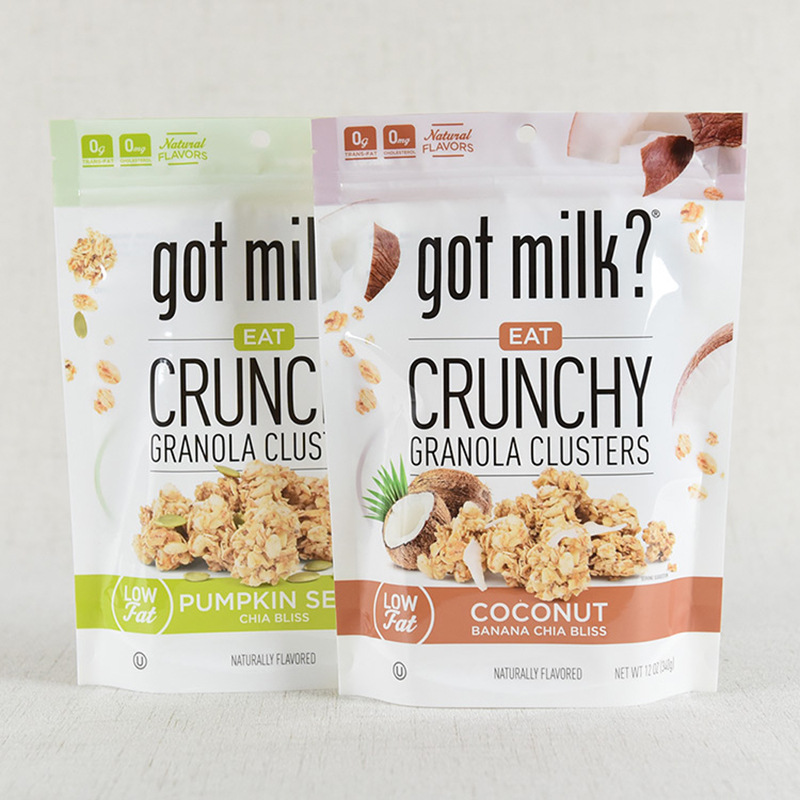
Comparing BOPP as an Outermost Packaging Layer: Benefits and Limitations
BOPP (Biaxially Oriented Polypropylene) is a cost-effective, high-clarity film widely used as the outermost layer in flexible packaging structures. It is commonly found in snack packaging, personal care products, and household goods. This article outlines its major advantages and disadvantages, especially in applications requiring strong branding and moderate protection.
1. Advantages of BOPP in Packaging
Glossy and Matte Compatibility: BOPP readily supports both glossy and matte finishes, giving designers and marketers the flexibility to match visual aesthetics with brand identity. Glossy BOPP offers a clean, high-shine look ideal for shelf visibility, while matte BOPP delivers a soft-touch feel with a premium appearance.
Cost Efficiency and Lightweight Design: BOPP is one of the most economical packaging materials available. Its lightweight nature helps reduce shipping and material costs, making it a sustainable option in bulk production environments. Its high yield (more surface area per kilogram) is a major benefit in large-scale operations.
Excellent Print Quality: The smooth surface of BOPP makes it ideal for custom gravure printing, supporting high-definition graphics and bold color displays. This helps consumer products stand out on crowded retail shelves.
Moisture Resistance: While BOPP does not offer top-tier oxygen barrier performance, it does provide good resistance to moisture, making it suitable for items that require dryness rather than oxygen isolation.
2. Limitations of BOPP
Moderate Barrier Properties: Compared to PET, BOPP offers lower oxygen and moisture barrier protection. While adequate for many snacks and dry foods, it's not ideal for highly sensitive contents unless laminated with high barrier films.
Poor Heat Resistance: BOPP’s melting point is relatively low, which limits its usage in hot-fill or high-temperature processes. It is also more prone to deformation under heat stress during sealing operations.
3. Use with SPOT UV and Food Grade Laminates
BOPP is widely used in SPOT UV pouches to create contrast between glossy and matte finishes, offering consumers a tactile and visual experience. For direct food contact, it must be laminated with a food grade sealant layer to comply with regulations. The overall structure may include multiple layers to compensate for its weaker gas barrier properties.
4. Balanced Performance for Brand and Budget
While BOPP may not excel in every technical category, its affordability and printability make it a go-to choice for brands focused on cost control without sacrificing design. When used in custom gravure printing and enhanced with SPOT UV pouches, BOPP remains a strong contender for brands needing an economical yet visually compelling packaging solution. By layering it with high barrier films, its functional shortcomings can be addressed effectively.
READ MORE:



Final3D.png)
