This article focuses on PET film—its mechanical strength, barrier properties, compatibility with gravure printing and SPOT UV pouches, and suitability for food packaging applications.
Deep Dive into PET: Strengths, Limitations, and Applications in Packaging
PET (Polyethylene Terephthalate) is one of the most essential materials used in flexible packaging. Known for its durability, clarity, and compatibility with advanced printing processes, PET serves as a key outer layer in laminated packaging, particularly for food grade and high barrier applications. This article examines PET’s structural benefits, limitations, and ideal usage scenarios in modern packaging.
1. Mechanical Strength and Dimensional Stability
PET stands out due to its high tensile strength and excellent dimensional stability. These qualities help packaging resist physical damage during transportation and shelf display. Unlike softer films, PET maintains shape and stiffness, contributing to a premium feel in consumer hands. When used as the outer layer in laminated films, it provides structural support while maintaining a clean, flat surface ideal for labeling and design.
2. Clarity and Print Quality
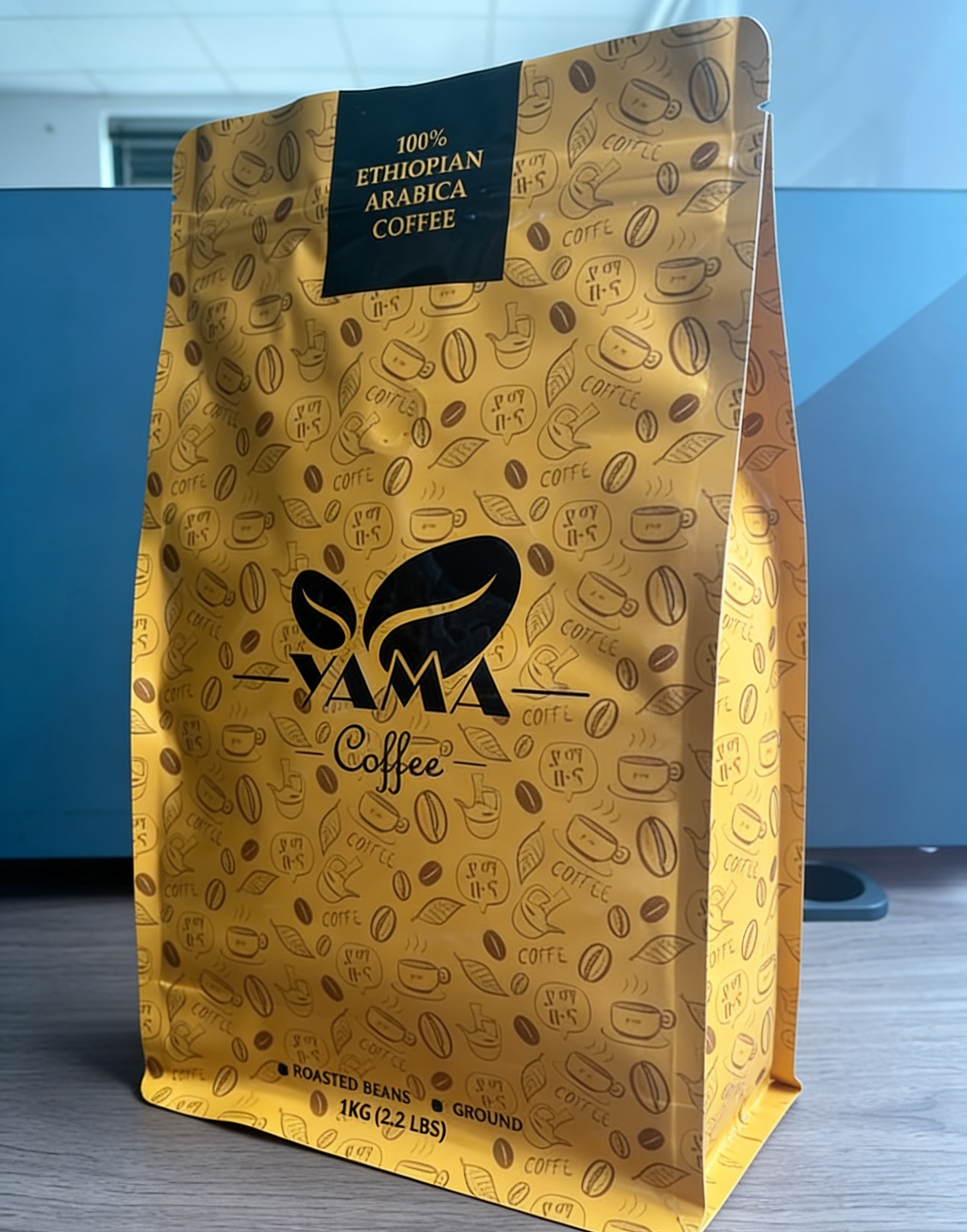
A key benefit of PET is its optical clarity, allowing brands to highlight the visual appeal of their products. Combined with custom gravure printing, PET can deliver high-resolution images, precise branding, and vivid colors. The surface is receptive to ink and coatings, making it a preferred choice for designs that require fine detail and color contrast. PET also supports advanced finishing like SPOT UV pouches, enhancing shelf impact through selective gloss and matte combinations.
3. Barrier Performance
PET on its own offers moderate barrier properties against moisture and oxygen. For applications demanding extended shelf life or aroma protection, PET is laminated with barrier films such as aluminum foil, KPET, or ALOX-PET. These multi-layer structures transform PET-based packaging into high barrier solutions suitable for perishable goods like snacks, meats, and dairy products.
4. Food Safety and Compliance
PET films are fully compliant with food grade regulations, including FDA and EU standards. Their chemical inertness ensures no contamination or interaction with food contents. This makes PET a common choice in food packaging, where safety, cleanliness, and performance are critical.
READ MORE



Final3D.png)
