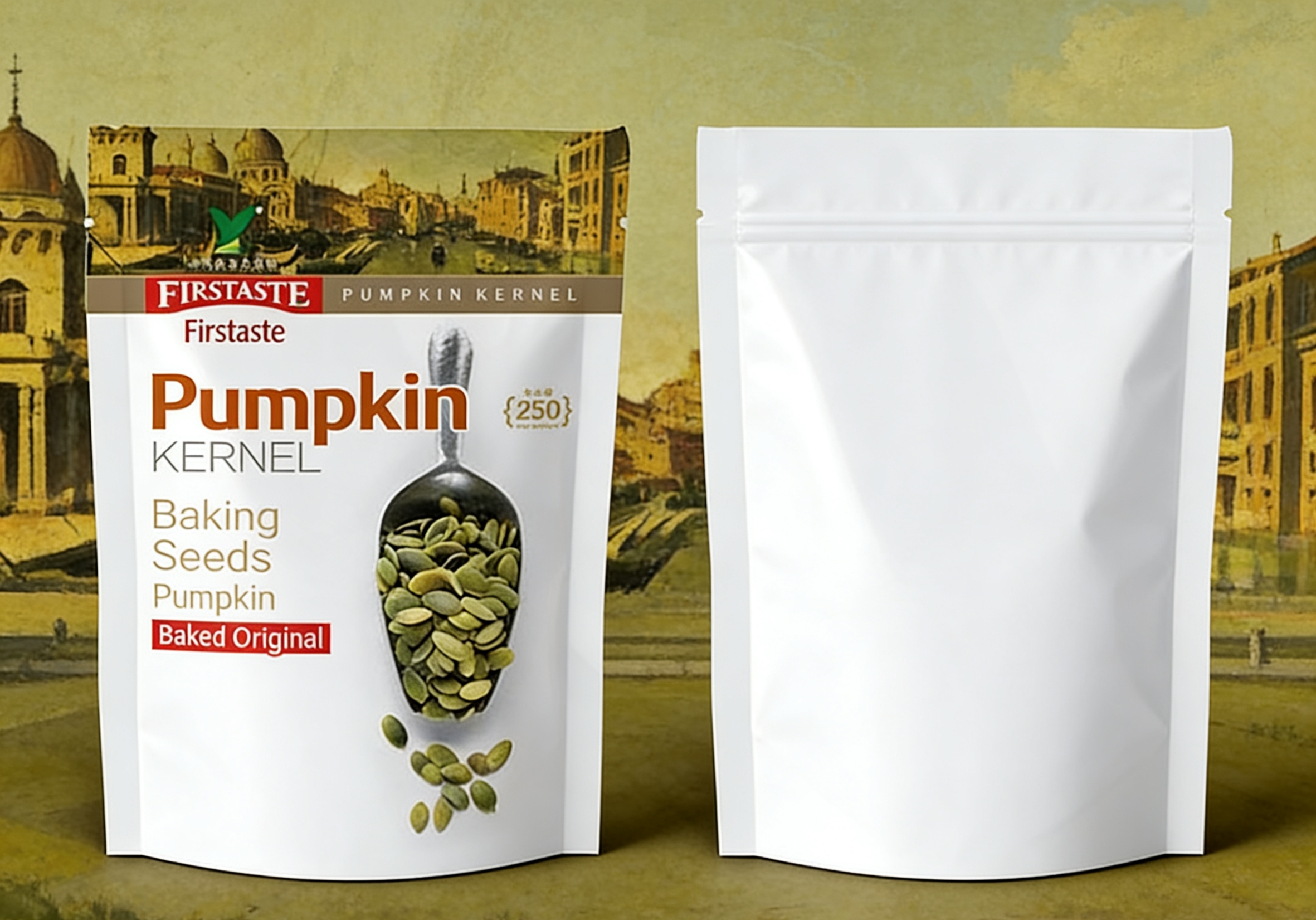
Advantages and Disadvantages of Outer Layer Materials in Plastic Packaging Bags
The outer layer of flexible plastic packaging is crucial for ensuring product safety, visual appeal, and shelf life. Among the most common outer materials are PET, BOPP, MOPP, ALOX-PET, and KPET. Each comes with unique mechanical, visual, and barrier characteristics that impact performance and cost. This article reviews the key pros and cons of each material to help packaging engineers, brand owners, and procurement teams make better decisions.
1. PET (Polyethylene Terephthalate)
PET is widely used for its strength and optical clarity. It has excellent tensile properties, making it highly durable during production and handling. PET’s smooth surface allows high-quality custom gravure printing, which ensures vivid graphics and precise text placement. However, PET lacks heat sealability and must be laminated with sealable substrates. It also offers only moderate barrier against oxygen and moisture unless coated.
2. BOPP (Biaxially Oriented Polypropylene)
BOPP films are cost-effective and offer high clarity, making them suitable for snack and dry food packaging. They come with glossy and matte options, allowing for brand differentiation. BOPP has excellent moisture resistance and is compatible with SPOT UV pouches, enabling impactful brand visuals. On the downside, BOPP has lower oxygen barrier performance and can warp under high-temperature conditions.
3. MOPP (Monoaxially Oriented Polypropylene)
MOPP is not as mainstream as BOPP or PET, but its unidirectional stretching gives it high strength along one axis, which is useful for tear-resistant and reinforcement applications. MOPP is often used in handle areas or header reinforcement. Its printability is fair, but it is not ideal for complex designs. MOPP lacks transparency and barrier qualities, making it best used in outer or mechanical layers rather than direct food contact.
4. ALOX-PET (Aluminum Oxide Coated PET)
ALOX-PET combines transparency with enhanced barrier properties. A thin layer of aluminum oxide offers resistance to both moisture and oxygen without blocking the product view. This makes it ideal for food or pharmaceuticals requiring visibility and protection. ALOX-PET is highly compatible with custom gravure printing and SPOT UV pouches, creating premium, tactile packaging.
5. KPET (K-Coated PET)
KPET features a special coating that boosts oxygen and aroma barrier while retaining much of PET’s clarity. It is often used in vacuum pouches and high-value food applications. KPET is considered food grade and safe for direct contact. The film supports matte and SPOT UV finishes, though its recyclability is limited due to coating complexity.
READ MORE



Final3D.png)
