This article explores the visual benefits, printability, and food-grade applications of BOPP films, including glossy and matte finishes, and the use of SPOT UV pouches.
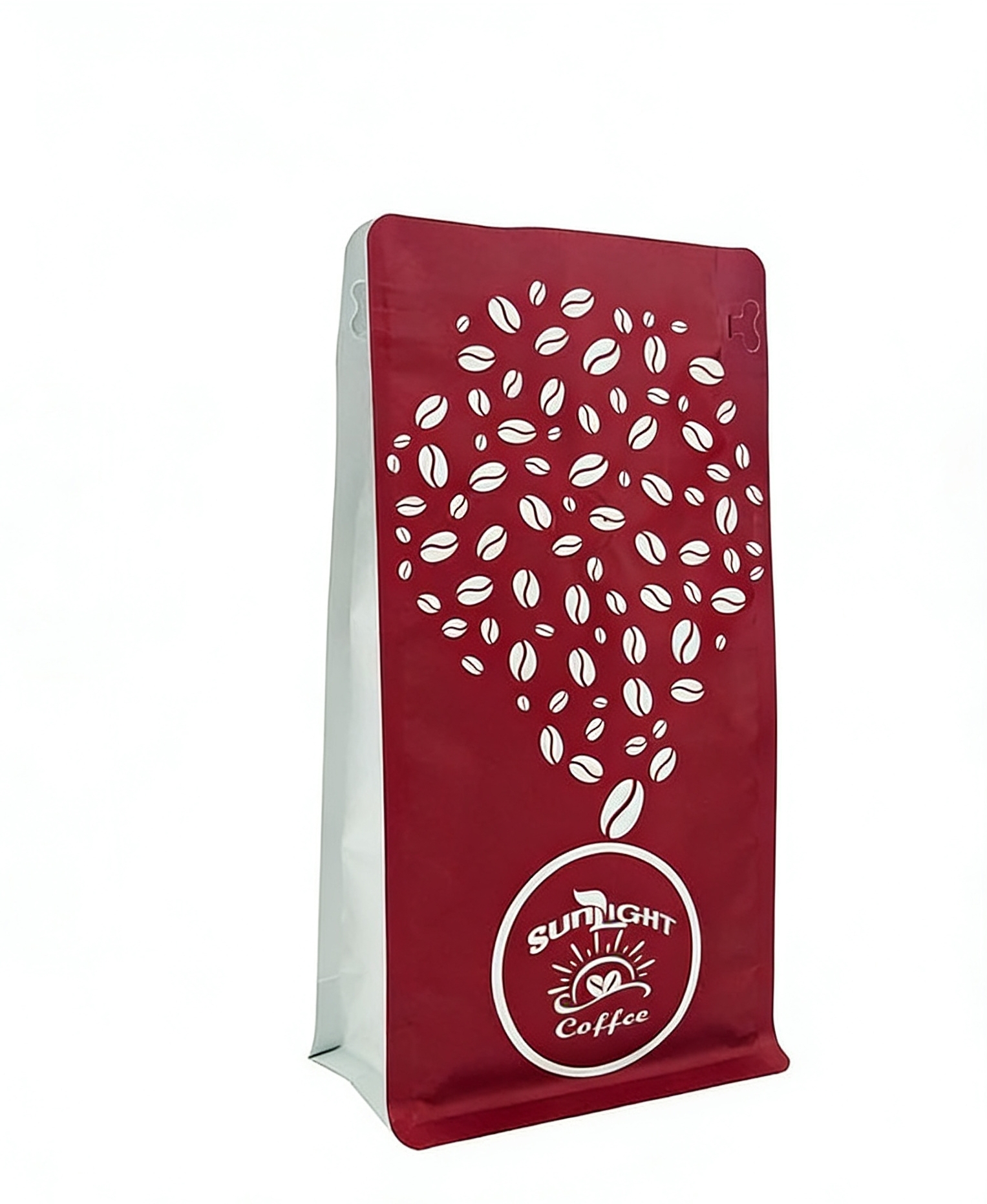
BOPP Films in Packaging: Gloss, Versatility, and Cost-Effectiveness
BOPP (Biaxially Oriented Polypropylene) is one of the most widely used outer-layer films in flexible packaging. Its popularity stems from a combination of attractive visual qualities, mechanical strength, cost-effectiveness, and compatibility with various printing and finishing methods. Whether used for snack foods, confectionery, or personal care items, BOPP offers both performance and aesthetic appeal.
1. What Makes BOPP Unique?
BOPP is manufactured by stretching polypropylene film in two directions, giving it superior:
Tensile strength: Prevents tearing and deformation during filling and handling.
Clarity and gloss: Enhances product visibility and packaging brightness.
Dimensional stability: Maintains shape and surface integrity under heat or stress.
These traits make BOPP a preferred choice for visually demanding packaging and high-speed production lines.
2. Surface Appeal: Glossy, Matte, and SPOT UV
One of BOPP's key selling points is its ability to accept different finishes:
Glossy BOPP is shiny and reflective, drawing attention on retail shelves.
Matte BOPP provides a soft, premium look with reduced glare and a luxury feel.
When combined with SPOT UV pouches, BOPP offers an elevated brand experience by adding tactile and visual contrast to logos, text, or images.
These finishing options pair seamlessly with custom gravure printing, which ensures sharp, vibrant graphics on BOPP's smooth surface.
3. Functional Benefits for Food Packaging
BOPP is inherently food grade and often used in packaging for chips, candies, bakery items, and dry goods. It excels in:
Moisture barrier performance, protecting dry snacks and powdered products.
Odor resistance, keeping contents fresh.
Anti-fog options, for clarity in refrigerated packaging.
For applications requiring oxygen protection, BOPP is laminated with high-barrier films like EVOH or KPET, creating robust high barrier laminates.
4. Limitations and Considerations
Despite its strengths, BOPP does have limits:
Poor oxygen barrier compared to PET or ALOX-coated films.
Low heat resistance, making it unsuitable for retort or sterilization processes.
Difficult to recycle when used in multilayer laminates.
Still, for general packaging needs, BOPP’s balance of cost, visual appeal, and functionality makes it a dependable outer-layer material.
READ MORE



Final3D.png)
