Balancing Performance and Sustainability in COEX Packaging Film Development
Content:
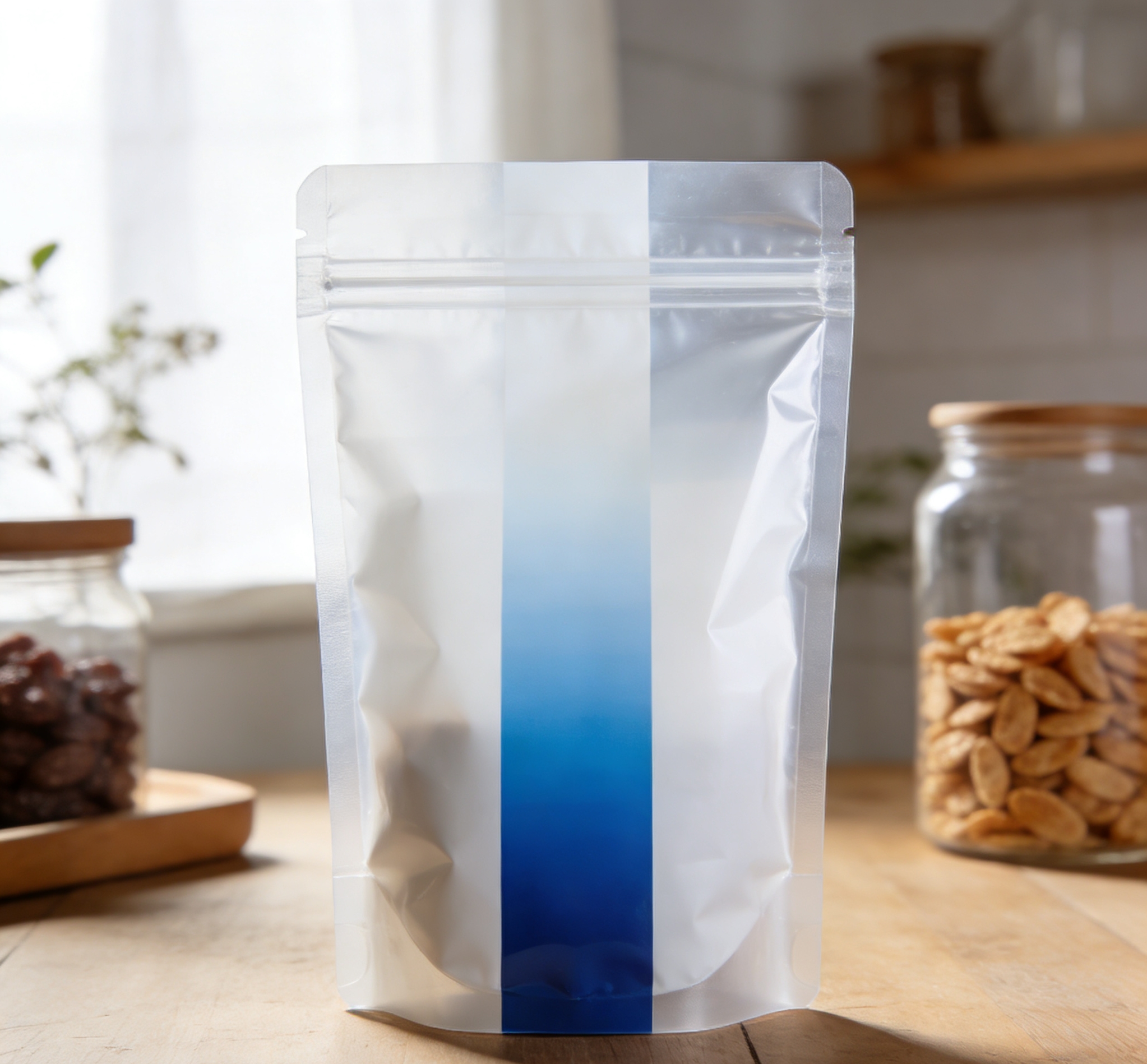
Today’s packaging market requires innovation that balances functionality, cost, and environmental impact. Co-extrusion (COEX) film plastic packaging bags meet these demands through customized structures designed for specific applications. They offer design flexibility that traditional laminates cannot match.
1. Material Optimization for Barrier Function
The integration of EVOH into packaging design significantly boosts oxygen barrier property. Used as a middle layer in 5–9-layer films, it provides high resistance to oxygen without adding excessive thickness. Strategic co-extrusion ensures that only needed layers receive high-barrier resins, improving barrier performance enhancement and cost-efficiency. This targeted approach helps minimize material waste and enhances the environmental profile of the packaging.
2. Creating Eco-Compatible Packaging
With increasing regulations around packaging sustainability, producers are focusing on packaging material compatibility to create recyclable structures. Polyolefin-based COEX films allow for high-performance functionality while remaining compatible with current recycling streams. They are especially useful in mono-material pouch designs, which are gaining momentum as a sustainable alternative.
3. Challenges in Layer Interactions
Not all polymers adhere naturally. Creating strong bonds across layers—especially between PE and EVOH—requires tailored tie layers to ensure film durability. If compatibility fails, it can compromise high-barrier flexible packaging performance, resulting in leaks or reduced shelf life. In pharmaceutical and food packaging, this could directly affect product safety and consumer health.
4. Application-Specific Engineering
Each application—whether food-grade, pharma, or industrial—requires unique barrier configurations. Frozen foods benefit from high puncture resistance and excellent oxygen barrier property, while dry goods packaging focuses more on moisture resistance and sealing. Retort applications may require films that can withstand sterilization conditions while maintaining their barrier performance enhancement properties.
5. Sustainable Innovations in COEX Films
New manufacturing techniques, such as using bio-based or biodegradable materials in outer layers, align with global sustainability goals. These innovations enhance barrier performance enhancement while contributing to a circular economy. Some manufacturers also incorporate post-consumer recycled (PCR) content into COEX films without compromising their functionality.
Ultimately, Co-extrusion (COEX) film plastic packaging bags empower brands with flexibility, customization, and performance—all while meeting modern sustainability standards through careful packaging material compatibility design and engineering.
READ MORE



Final3D.png)
