Understanding Material Selection in Plastic Packaging: PE, BOPP, VMPET & Aluminum Foil
This article compares PE, BOPP, VMPET, and aluminum foil laminated films in plastic packaging, highlighting each material’s best use cases and benefits.
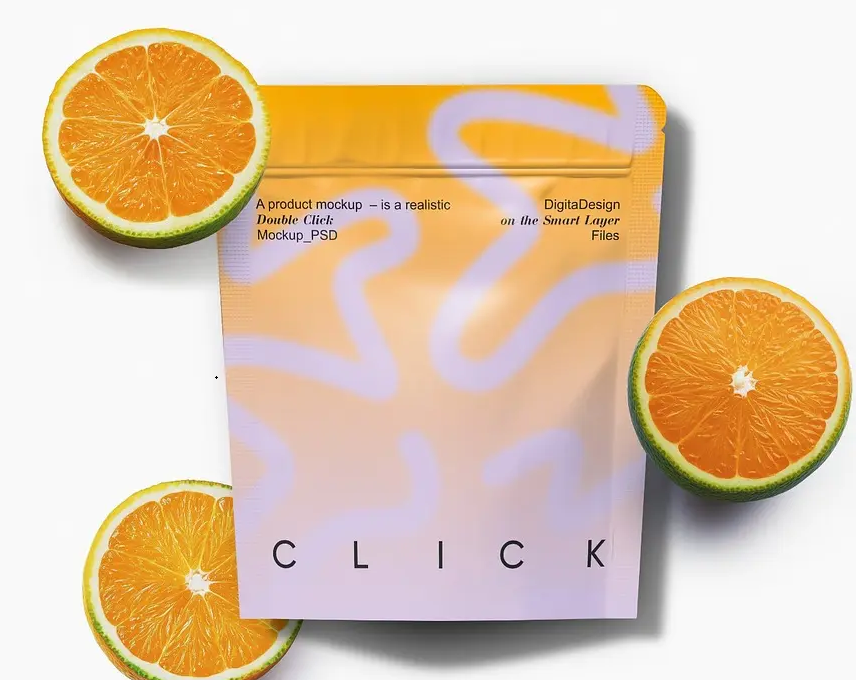
Understanding Material Selection in Plastic Packaging: PE, BOPP, VMPET & Aluminum Foil Lamination
Selecting the right material structure is fundamental to the performance and perception of plastic packaging. In this article, we examine four key materials—PE, BOPP, VMPET, and Aluminum Foil Laminated Films—commonly used in the flexible packaging industry. Understanding their properties helps businesses optimize cost, shelf appeal, and product safety.
PE: The Inner Strength of Packaging
Polyethylene (PE) is widely appreciated for its flexibility and excellent sealing properties. As an inner layer, it provides a secure seal, crucial for food grade packaging. It is used in everything from frozen food packs to liquid detergent pouches.
Advantages: Toughness, flexibility, low-temperature sealing
Supports: Heat sealing, high-speed form-fill-seal machines
Printing: Often paired with custom gravure printing on outer layers
BOPP: The Clear and Stiff Performer
Biaxially Oriented Polypropylene (BOPP) is known for clarity, rigidity, and moisture resistance. It's commonly used as the outer layer in laminates for snack foods or confectionery. SPOT UV pouches can be applied to BOPP for eye-catching visuals.
Vacuum Metallized PET (VMPET) is a PET film coated with a thin layer of aluminum. It delivers good high barrier performance against oxygen and light.
Aluminum Foil: The Ultimate Protector
For the highest protection, aluminum foil is unmatched. It offers near-total resistance to oxygen, light, and moisture. Used in retort pouches, pharmaceuticals, and high-end food.
READ MORE



Final3D.png)
