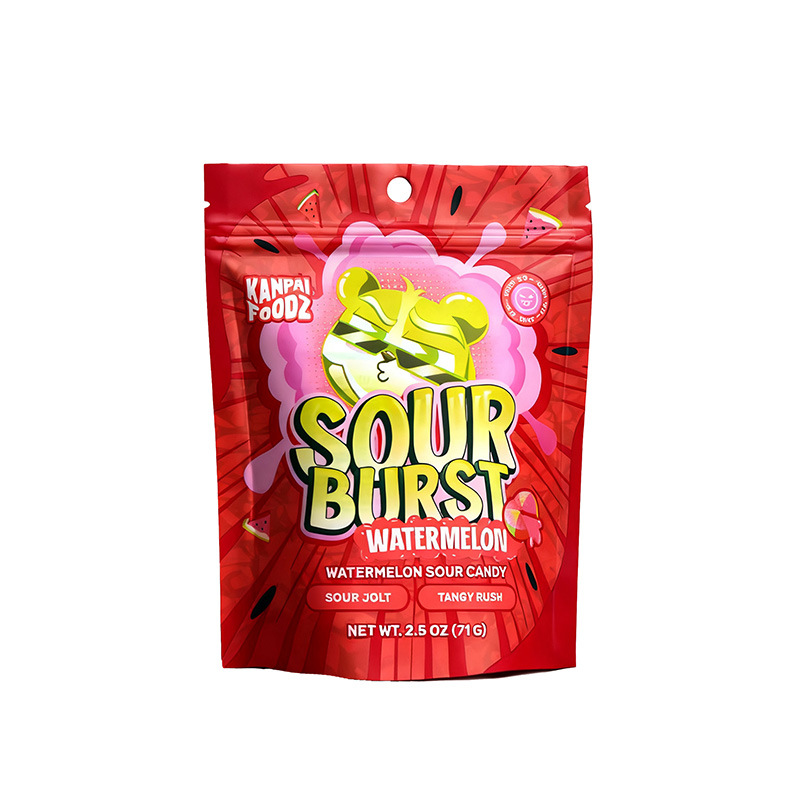
PE Film Structures in Flexible Packaging: Performance, Safety, and Applications
PE film plays a foundational role in modern flexible packaging systems. As the most common inner-layer material, PE is responsible for sealing performance, food safety, and overall package integrity. Selecting the correct PE structure is critical for maintaining product freshness and ensuring efficient packaging operations.
One of the main advantages of PE is its excellent heat-sealing capability. This property allows packaging bags to achieve strong seals even at high production speeds, making PE ideal for large-scale food packaging. Its chemical stability ensures full compliance with food grade requirements, which is essential for direct contact with consumable products. PE also offers good moisture resistance and flexibility, reducing the risk of cracking or leakage during transportation.
PE film is rarely used alone. Instead, it is commonly laminated with BOPP, PET, or aluminum layers to enhance stiffness, print quality, or barrier performance. These laminated structures allow brands to apply custom gravure printing while maintaining reliable sealing performance. Decorative techniques such as SPOT UV pouches are often added to outer layers, giving PE-based packaging both functional strength and strong visual appeal.
From a barrier perspective, PE does not naturally provide strong oxygen protection. However, when combined with barrier layers, it can be used in packaging systems that meet medium to advanced highbarrier requirements. This makes PE-based structures suitable for snacks, frozen foods, processed meats, and liquid products.
In terms of application scenarios, PE structures are ideal for cost-sensitive markets, high-volume production, and products requiring flexibility. They are also widely used in stand-up pouches, zipper bags, and vacuum packaging. With proper structural design, PE packaging can balance performance, safety, and cost efficiency.
Overall, PE film structures remain a core solution in flexible packaging. When paired with custom gravure printing and premium finishes such as SPOT UV pouches, PE-based packaging delivers reliable performance while supporting modern branding needs, even in applications that demand partial highbarrier protection.
READ MORE:



Final3D.png)
