This article explores the research background, industry drivers, and market forces behind biodegradable plastic packaging bags, focusing on sustainability, performance optimization, and retail adoption.
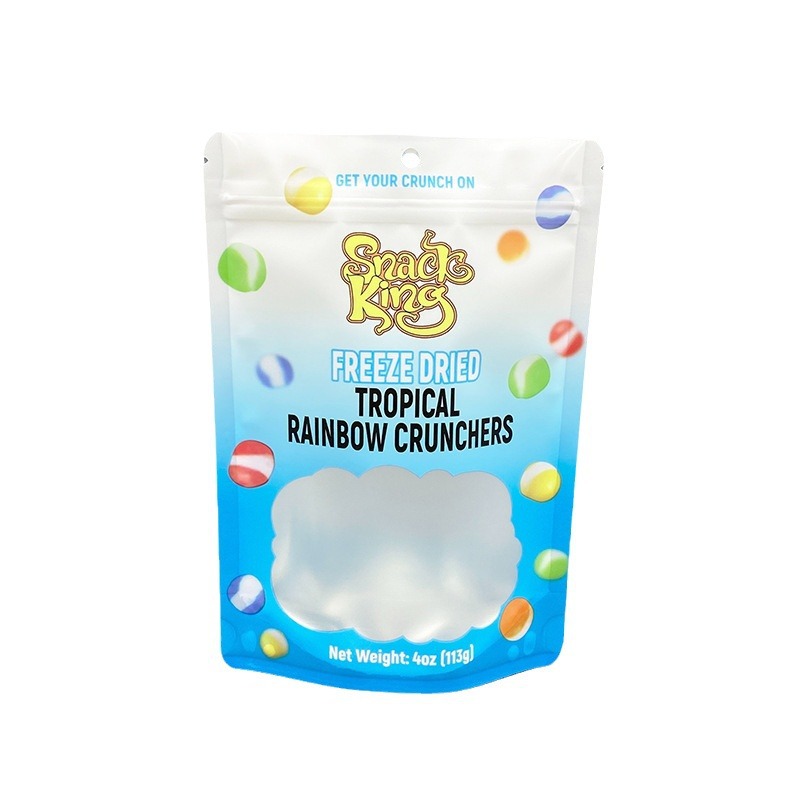
Research Background and Industry Drivers of Biodegradable Plastic Packaging Bags
The global packaging industry is undergoing a structural transformation driven by environmental pressure, regulatory change, and shifting consumer expectations. Traditional petroleum-based plastics are increasingly restricted due to their long degradation cycles and environmental impact. This has accelerated the development and adoption of Biodegradable Plastic solutions as a sustainable alternative. Governments, brand owners, and packaging suppliers are actively investing in research to reduce plastic waste while maintaining packaging performance. As a result, the Biodegradable Packaging Bag has become a strategic focus for material innovation and industrial application.
From a research and development perspective, biodegradable packaging begins with polymer selection and performance optimization. Early biodegradable materials often suffered from insufficient strength, unstable sealing performance, and limited processing adaptability. Through continuous Material Modification, modern biodegradable polymers now demonstrate significantly improved tensile strength, flexibility, and thermal resistance. These improvements allow biodegradable materials to meet the functional requirements of commercial packaging while maintaining controlled degradation characteristics.
Different market sectors define unique performance expectations based on their Application Scenario. Food packaging emphasizes hygiene, safety, and short shelf-life compatibility, while logistics and consumer goods packaging prioritize load-bearing capacity and durability during transportation. Understanding each Application Scenario enables manufacturers to design biodegradable structures that balance environmental performance with practical usability. This targeted development approach has played a key role in expanding the applicability of biodegradable materials.
In commercial distribution channels, Retail Packaging has become one of the most influential drivers of biodegradable adoption. Sustainable packaging not only helps brands comply with environmental regulations but also strengthens corporate social responsibility messaging. The visual appearance, texture, and overall quality of a Biodegradable Packaging Bag directly influence consumer perception at the point of sale, especially among environmentally conscious buyers.
The transition toward Biodegradable Plastic packaging is not solely technology-driven. It is also shaped by policy incentives, carbon reduction strategies, and global sustainability initiatives. Continuous Material Modification enables biodegradable materials to close the performance gap with conventional plastics, supporting large-scale manufacturing and wider market acceptance. As research advances and supply chains mature, biodegradable packaging is evolving from a niche solution into a viable mainstream option across multiple Retail Packaging applications.
READ MORE



Final3D.png)
