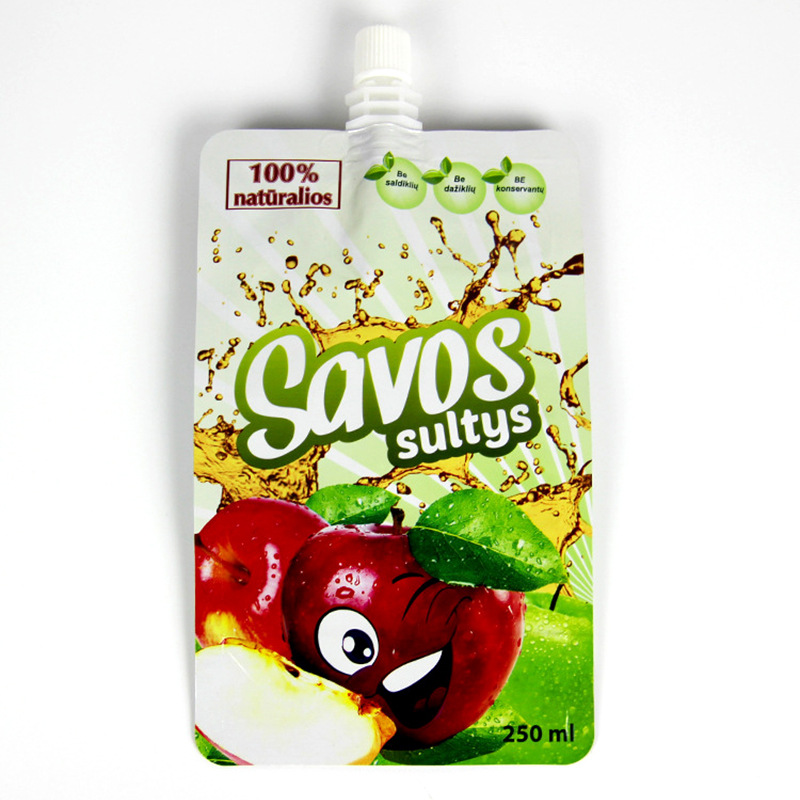
Practical Packaging Selection: Comparing PE, PP, BOPP, and Laminated Films
Selecting the right packaging film is about more than just cost—it's about ensuring your product is protected, shelf-stable, and visually appealing. Whether you are packaging food, pharmaceuticals, or personal care products, understanding the strengths and weaknesses of PE, PP, BOPP, and laminated films is essential. This final article in the series summarizes their performance across six categories: Temperature Resistance, Barrier Property (Oxygen/Water Vapor Barrier), Puncture Resistance, Flexibility/Ductility, Heat Sealability, and Cost Difference/Cost Variation.
Temperature Resistance:
If your product is hot-filled or requires microwave heating, PP or laminated films are your best bets. PP provides consistent Temperature Resistance up to around 120°C, while laminated films with PET or nylon layers can tolerate even higher temperatures. PE is better suited for cold environments, such as frozen foods. BOPP is limited to ambient applications and is not heat-resistant.
Barrier Property (Oxygen/Water Vapor Barrier):
Laminated films take the lead when it comes to Barrier Property (Oxygen/Water Vapor Barrier). They can incorporate layers like aluminum or EVOH to block nearly all oxygen and moisture, protecting products over long periods. BOPP offers decent moisture protection but less oxygen resistance. PE and PP have relatively low natural barrier properties unless modified or combined with other materials.
Puncture Resistance and Flexibility/Ductility:
If your packaging faces pressure or rough handling, laminated films provide excellent Puncture Resistance. PE is the most flexible among the four, giving it great Flexibility/Ductility, making it ideal for vacuum pouches or products that require a tight seal. PP is rigid and tough but less ductile, while BOPP needs to be laminated for durability.
Heat Sealability:
PE and laminated structures with PE layers offer exceptional Heat Sealability. They are compatible with various heat-sealing machines and techniques. PP requires precise heat settings for sealing, and BOPP often needs coating or lamination with sealable materials to perform well in sealing processes.
Cost Difference/Cost Variation:
PE is the most affordable, with minimal Cost Variation across regions and suppliers. PP and BOPP offer a balance between performance and cost. Laminated films are the most expensive due to multi-layer engineering and material complexity. However, for products that demand high protection and premium presentation, the investment pays off.
Conclusion:
There is no one-size-fits-all solution in packaging. If cost is your priority, PE is ideal. For heat tolerance and moderate protection, choose PP. If clarity and visual appeal are key, go with BOPP. For maximum protection and performance, invest in laminated films. The right choice depends on your product’s needs, market demands, and brand strategy.
READ MORE:



Final3D.png)
