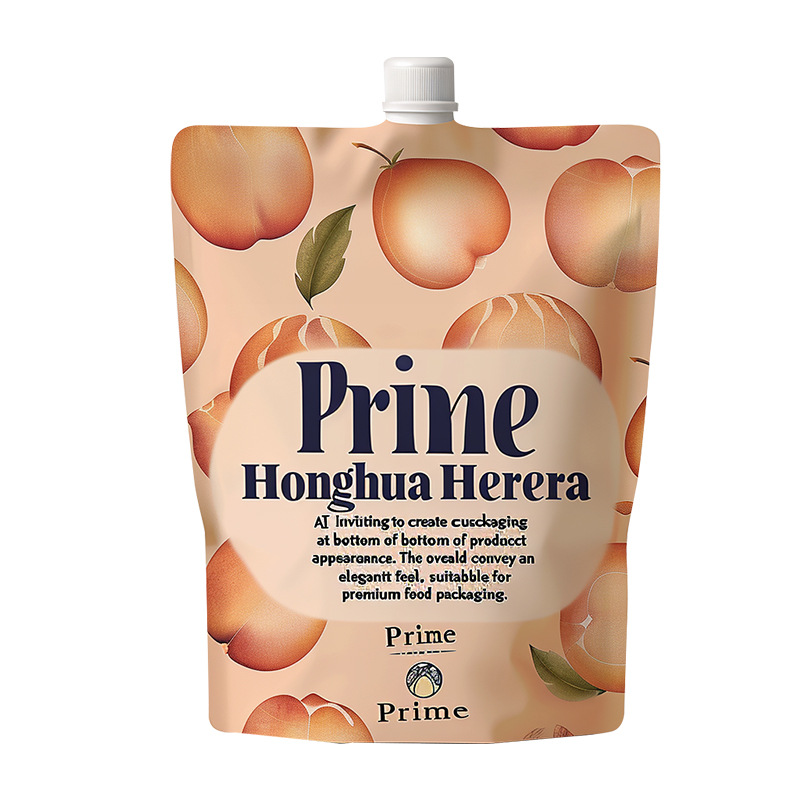
Laminated Films: The High-Performance Standard in Flexible Packaging
Laminated films are multi-layered structures created by combining two or more different materials to achieve superior functionality in packaging. These films are tailored for specific performance outcomes and are often used in food, pharmaceuticals, and liquid packaging. This article provides an in-depth analysis of laminated films based on six critical factors: Temperature Resistance, Barrier Property (Oxygen/Water Vapor Barrier), Puncture Resistance, Flexibility/Ductility, Heat Sealability, and Cost Difference/Cost Variation.
Temperature Resistance:
Laminated films offer the highest level of Temperature Resistance among all plastic packaging options. By incorporating layers like PET, nylon, or aluminum foil, these films can withstand extreme conditions — from freezing to retort sterilization. They are the go-to choice for ready-to-eat meals, soups, and other applications requiring either cold-chain logistics or heat treatment.
Barrier Property (Oxygen/Water Vapor Barrier):
What sets laminated films apart is their outstanding Barrier Property (Oxygen/Water Vapor Barrier). Materials like aluminum and EVOH provide near-zero permeability to oxygen and moisture. This makes laminated structures ideal for high-value or sensitive products such as coffee, pharmaceuticals, and powdered supplements where long shelf life is critical.
Puncture Resistance and Flexibility/Ductility:
Laminated films achieve a unique balance between Puncture Resistance and Flexibility/Ductility. For example, a laminate of PET/AL/PE is both rigid enough to protect contents and flexible enough to resist tearing. This balance makes laminated films reliable during shipping, storage, and end-user handling.
Heat Sealability:
Despite the use of rigid outer layers, laminated films maintain excellent Heat Sealability due to the inner sealing layers (usually PE or CPP). These structures are engineered for high-speed automatic packaging machines and provide strong, consistent seals that prevent leakage or contamination.
Cost Difference/Cost Variation:
The biggest challenge with laminated films is the Cost Difference/Cost Variation. Prices fluctuate based on material complexity, the number of layers, and barrier requirements. While more expensive than PE, PP, or BOPP, laminated films justify their cost by offering performance that those single-layer films cannot match.
Conclusion:
If your application demands extended shelf life, high strength, excellent sealing, and resistance to environmental extremes, laminated films are the optimal choice. Though they come at a higher cost, their performance capabilities make them indispensable for premium packaging needs. Their adaptability across industries proves their importance in modern packaging design.
READ MORE:



Final3D.png)
