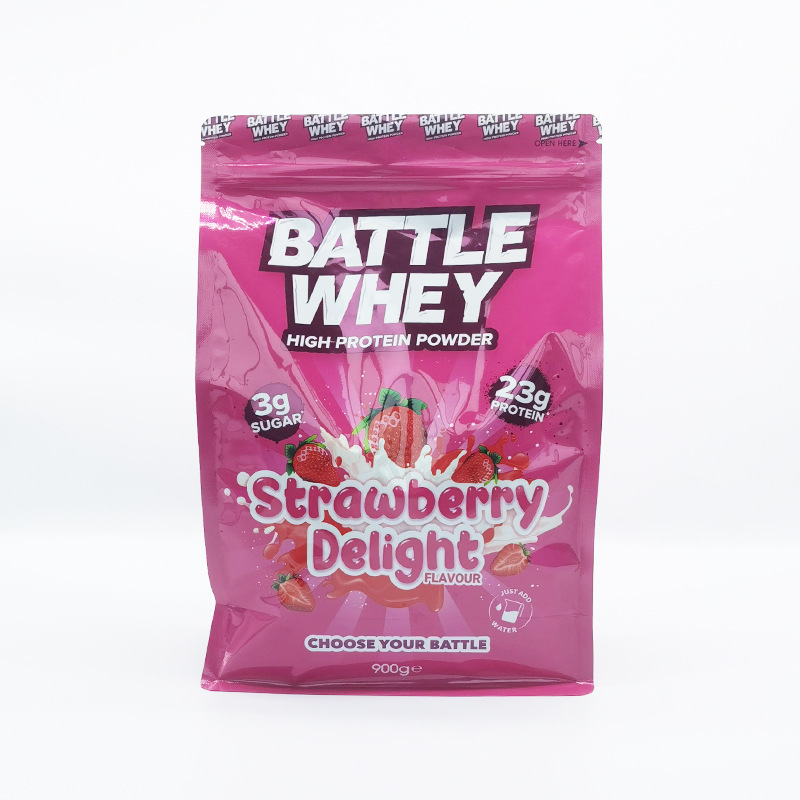
The Role of PE Film in Plastic Packaging — Flexibility, Sealing, and Soft Matte Elegance
Polyethylene (PE) is one of the most widely used and adaptable materials in the flexible packaging industry. Its softness, seal strength, and versatility make it a critical layer in most laminated packaging structures. From soft matte pouches to durable zip-lock bags, PE ensures that packaging not only protects the product but also provides a premium tactile experience for consumers.
1. Understanding the Types of PE Films
There are several types of PE, each designed for specific packaging needs:
LDPE (Low-Density Polyethylene):
Offers excellent flexibility and softness, making it ideal for sealing layers in food pouches. LDPE provides a smooth matte feel and is often used for natural or organic product lines.
LLDPE (Linear Low-Density Polyethylene):
Provides better tensile strength and puncture resistance. It’s frequently used for snack pouches, liquid packaging, and zipper bags.
HDPE (High-Density Polyethylene):
Known for its rigidity and barrier properties, HDPE helps maintain product freshness and prevent moisture ingress.
By combining these variations, manufacturers can achieve the perfect balance between durability, flexibility, and shelf appeal.
2. PE’s Role in Multi-Layer Laminated Packaging
PE films are often laminated with BOPP or CPP to form multi-layer packaging structures.
For example:
BOPP/PE: Offers a soft-touch matte finish and great print surface for eco-friendly or luxury brands.
PET/PE: Combines excellent print definition with durability and flexibility.
BOPP/AL/PE: Provides superior oxygen and moisture barriers for coffee or powder packaging.
This lamination process enhances protection and allows customization through various finishes — glossy, matte, or spot UV — based on the desired visual effect.
Such structures are the foundation of OEM BPA free food packaging zipper bags with window, where PE provides the sealing and food-safety assurance brands require.
3. Surface Finishes and Tactile Experience
The texture and appearance of PE film influence how consumers perceive a brand:
Glossy PE: Reflects light for a vivid, high-impact presentation.
Matte PE: Creates a soft-touch, natural aesthetic that aligns with minimalist design trends.
Spot UV on Matte PE: Combines smooth matte backgrounds with glossy highlights, enhancing visual sophistication.
This versatility makes PE a preferred choice for companies seeking both aesthetic appeal and functional integrity.
4. Sustainability and Safety
PE is BPA-free, food-safe, and recyclable in many film recovery systems. It also supports solvent-free lamination, reducing VOC emissions during manufacturing.
As sustainability becomes a priority, mono-material PE structures are being developed to simplify recycling while maintaining packaging strength. This innovation is reshaping the future of flexible packaging.
Moreover, OEM BPA free food packaging zipper bags with window that use PE laminations provide transparency and flexibility while maintaining strict safety standards for food contact materials.
READ MORE



Final3D.png)
