Understanding the Plastic Packaging Bag Manufacturing Process — From BOPP, PE to CPP
Plastic packaging bags play an essential role in the global supply chain, protecting food, beverages, and consumer products while enhancing shelf appeal. Understanding how these bags are made — from raw materials to the finished product — allows brands to optimize both performance and sustainability. Modern packaging integrates three key materials: BOPP, PE, and CPP, each contributing distinct qualities in flexibility, appearance, and barrier strength.
1. Material Selection: BOPP, PE, and CPP
BOPP (Biaxially Oriented Polypropylene) is known for its superior clarity, stiffness, and print receptivity. It serves as the outer layer in most laminated films, providing a glossy appearance and excellent durability.
PE (Polyethylene) offers a soft, flexible texture and acts as the sealing layer, ensuring leak-proof packaging. It’s commonly chosen for matte finishes or eco-friendly styles.
CPP (Cast Polypropylene) contributes heat resistance and mechanical strength, ideal for pouches that require high-temperature sealing or sterilization.
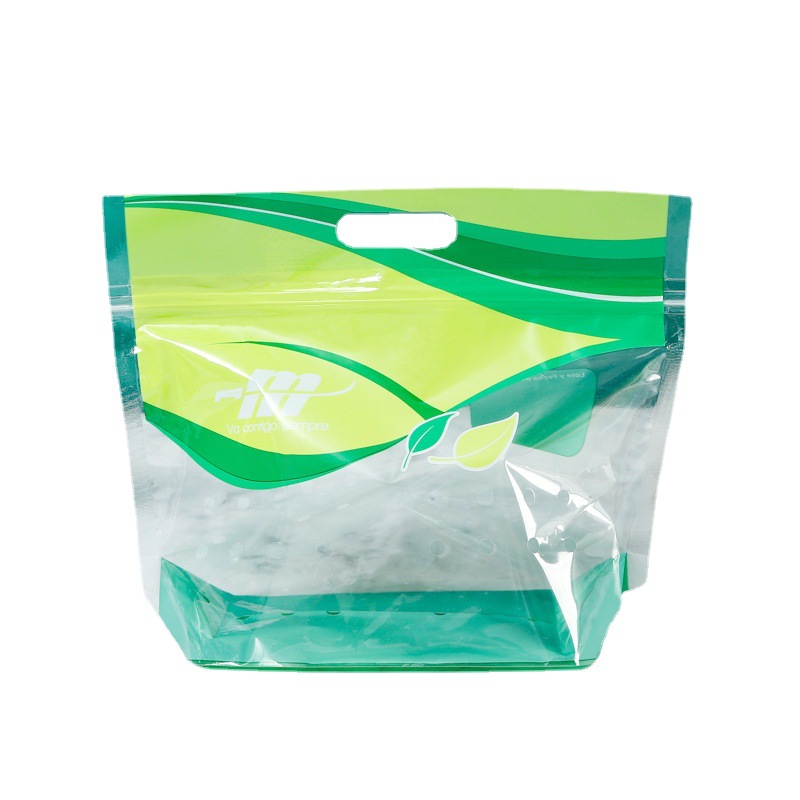
By combining these three materials, manufacturers can achieve optimal balance between transparency, flexibility, and product safety. This multi-layer structure forms the foundation of modern OEM BPA free food packaging zipper bags with window, meeting both food-grade and branding requirements.
2. Surface Finishes: Glossy, Matte, and Spot UV
The finish of a packaging film directly affects its visual identity:
Glossy films offer a bright, reflective surface that amplifies colors and captures consumer attention on shelves.
Matte finishes create a soft-touch, elegant feel suitable for premium or organic products.
Spot UV treatments selectively apply gloss to logos or text on a matte background, producing a striking visual contrast that enhances brand recognition.
Brands often mix finishes across their product ranges to differentiate lines while maintaining a unified look.
3. Printing and Customization
Using gravure or flexographic printing, brands can reproduce high-definition graphics, logos, and ingredient details. Customization options include metallic inks, transparent windows, resealable zippers, and various pouch shapes such as stand-up, gusseted, or flat bags. The flexibility of printing and lamination allows the creation of OEM BPA free food packaging zipper bags with window that reflect both visual appeal and consumer trust.
4. Lamination and Bag Formation
After printing, films are laminated together using solvent-based or solvent-free adhesives. For example, BOPP/PE structures provide softness and matte texture, while BOPP/CPP combinations deliver high gloss and sealing strength. Once cured, the laminated rolls are slit, folded, and sealed into pouches through automated forming machines. Zippers, tear notches, and hanging holes are added during the final assembly stage.
Conclusion
The creation of high-quality plastic packaging involves more than just material choice — it’s a precise engineering process combining BOPP’s gloss, PE’s flexibility, and CPP’s durability. Each step, from lamination to finishing, enhances the product’s shelf impact and functional reliability. Whether the goal is luxury branding or sustainable design, mastering these materials allows businesses to innovate packaging that’s both beautiful and efficient.
READ MORE



Final3D.png)
